


Real Estate/Development
Oct. 1, 2026
New reporting rules and census tract designations signal the next phase of opportunity zones
As Opportunity Zones enter a new phase in 2027, investors and fund sponsors must prepare for new census tract designations, expanded reporting requirements and the tax consequences of existing investments.


Phil Jelsma
Partner and Chair of the Tax Practice Team
Crosbie Gliner Schiffman Southard & Swanson LLC (CGS3)
Email: pjelsma@cgs3.com
Phil is chair of the tax practice team at CGS3. He is recognized as a leading joint venture and tax attorney, with a 30-year background in real estate exchange transactions, syndications, nonprofit corporations and international tax planning.
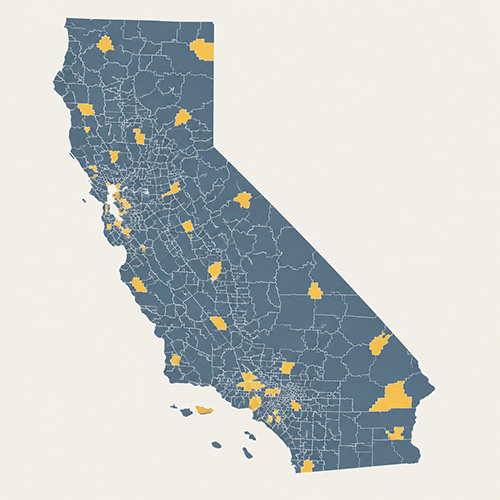
Investments in Opportunity Zones (OZ) have been significant and reflect broad participation in the program. According to recently released U.S. Department of the Treasury data, Qualified Opportunity Funds (QOFs) held approximately $116 billion in total assets, including approximately $112 billion in Qualified Opportunity Zone property, through the end of 2024. Treasury's data indicates that investment had reached approximately 77% of designated Opportunity Zone census tracts in the 50 ...
For only $95 a month (the price of 2 article purchases)
Receive unlimited article access and full access to our archives,
Daily Appellate Report, award winning columns, and our
Verdicts and Settlements.
Or
$895, but save $100 when you subscribe today… Just $795 for the first year!
Or access this article for $45
(Purchase provides 7-day access to this article. Printing, posting or downloading is not allowed.)
Already a subscriber?
Sign In