




Civil Litigation
Dec. 3, 2025
Morgan & Morgan, DiCello Levin join San Francisco's landmark ultra-processed food lawsuit
Two powerhouse plaintiff firms have joined San Francisco City Attorney David Chiu in filing the first government lawsuit against major manufacturers of ultra-processed foods, setting the stage for a mass-tort fight over whether aggressive marketing contributed to widespread public-health harms.


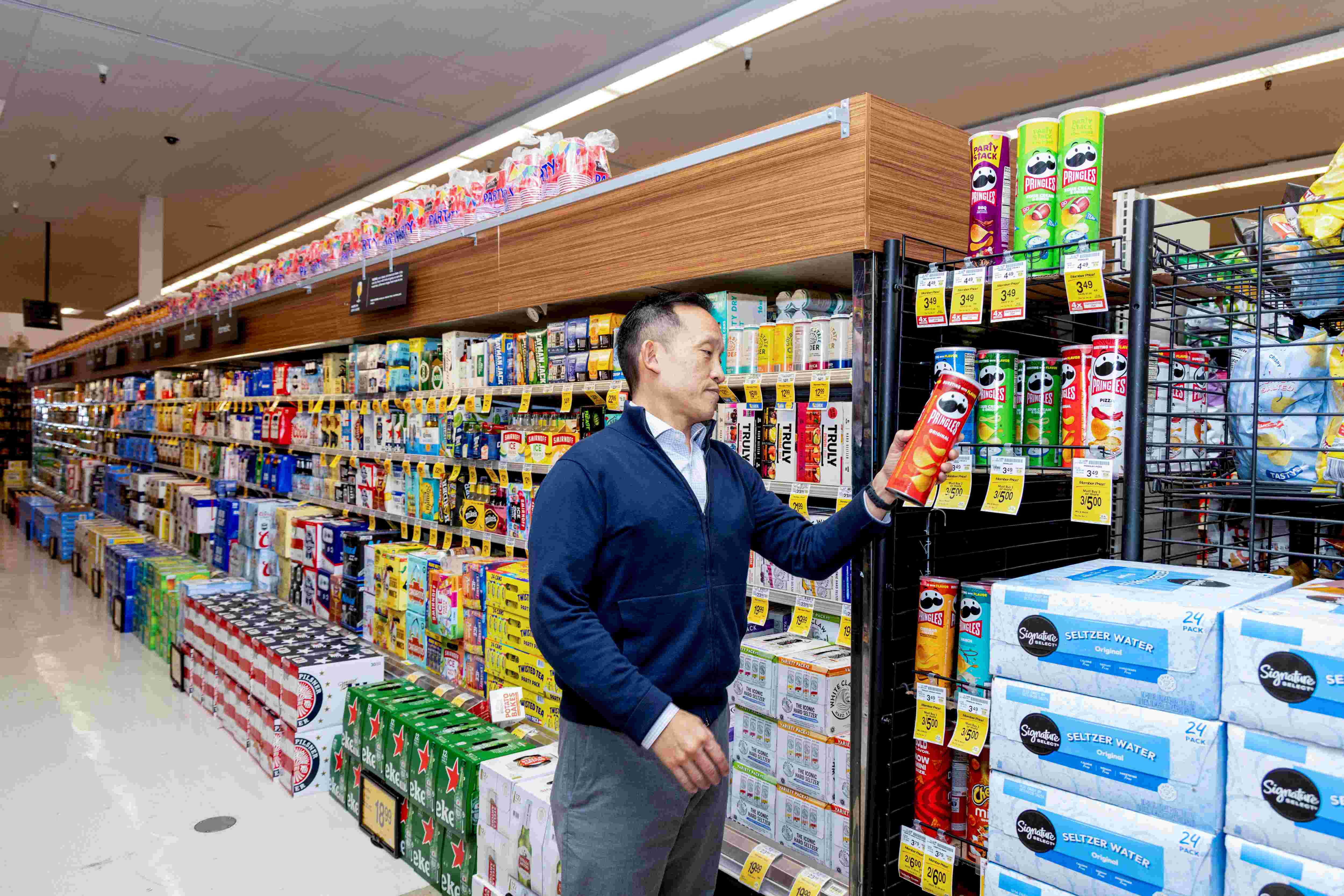
Attorneys from Morgan & Morgan and DiCello Levitt -- two firms known for high-stakes mass-tort and consumer litigation -- said Tuesday they expect a protracted legal battle as they join the San Francisco City Attorney's Office in launching what they described as a groundbreaking case against 10 of the nation's biggest food manufacturers.
The firms, brought into the litigation for their experience taking on corporate defendants with vast resources, said the lawsuit will test whether aggressive nationwide marketing of ultra-processed foods can be legally linked to widespread public-health harms. Jennie Lee Anderson, partner at Andrus Anderson LLP, has also been added to the legal team.
"The scientists have been trying to understand this for several decades. The ultra-processed food hypothesis was proven correct and the science is now at a point where just last month in The Lancet, the editor of the journal was saying it's time for global action," Rene Rocha, partner at Morgan & Morgan, said at a news conference.
The lawsuit on behalf of the people of California seeks to stop manufacturers such as Kraft Heinz Company, The Coca-Cola Company, PepsiCo, Nestle USA and Kellogg from deceptive marketing of foods allegedly containing unhealthy substances. Monetary damages in the form of penalties and costs for governments' increased health care bills are also sought.
"There's nothing about the lawsuit that would ban any products. But it is our perspective that this is an industry that is engaged in highly deceptive advertising, so we're certainly looking to address advertising, and we certainly want to ensure accountability on the part of industries that has created enormous costs on society," City Attorney David Chiu told the news conference.
Chiu called the lawsuit the first by a government entity against makers of allegedly "ultra-processed foods" -- though similar private lawsuits have been filed against many of the same companies.
Sarah Gallo, senior vice president of product policy at Consumer Brands Association -- which represents many of the named defendant companies -- said in a statement in response to the lawsuit: "There is currently no agreed upon scientific definition of ultra-processed foods and attempting to classify foods as unhealthy simply because they are processed, or demonizing food by ignoring its full nutrient content, misleads consumers and exacerbates health disparities."
Diandra Debrosse, partner at DiCello Levitt, said bringing the lawsuit required "courage." When asked why, she said, "It's a lot of exposure to stand up to companies and say, 'We're not going to do this.'
"They've lied to a lot of people and so it takes a lot for people to start realizing, 'Wow, it's the ultra-processed foods.' So, we know it's going to be a legal battle, but we're on the right side of it."
Rocha added, "They've got deep pockets and they're not afraid to use it. Yes, they are in the business of bullying people, and they're going to try to bully their way out of this and through this, but it's not going to work this time."
Asked whether U.S. Secretary of Health and Human Services Robert F. Kennedy Jr.'s Make America Healthy Again movement and criticism of ultra-processed foods had impacted the decision to bring the lawsuit, Rocha said, "We've been looking at it for a long time, several years before Robert Kennedy started talking about it.
"We appreciate that he is on the right side on this issue and it's something that just about everyone agrees on except for the people who make them."
Earlier attempts to sue manufacturers of alleged ultra-processed foods have been defeated over failure to link foods to specific conditions suffered by consumers.
In August, Philadelphia U.S. District Judge Mia Perez dismissed a lawsuit filed against several of the same companies listed as defendants in the San Francisco lawsuit by a consumer who was diagnosed with Type 2 diabetes and nonalcoholic fatty liver disease at 16.
Perez ruled that the plaintiff "failed to identify what foods or products he consumed."
According to the San Francisco complaint, recent studies have linked overconsumption of ultra-processed foods to health problems such as Type 2 diabetes, fatty liver disease, cardiovascular disease, colorectal cancer and depression.
The lawsuit defines ultra-processed food as "formulations of often chemically manipulated cheap ingredients with little if any whole food added, made palatable and attractive by using combinations of flavors, colors, emulsifiers, thickeners, and other additives." The People of the State of California v. The Kraft Heinz Co. et al. no case number (S. F. Super. Ct., filed Dec. 2, 2025).
Gallo added in her statement on behalf of the companies, "Food and beverage manufacturers continue to introduce new product options that include increased protein and fiber, reduced sugars and sodium, and no synthetic color additives. Companies adhere to the rigorous evidence-based safety standards established by the FDA to deliver safe, affordable and convenient products that consumers depend on every day."
Rocha is co-chair of Morgan & Morgan's environmental and toxic tort litigation team and is one of the attorneys who helped secure the $1.8 billion settlement with Southern California Gas Company and its parent company, Sempra Energy, in 2021 for a gas leak at a well in Los Angeles, the law firm's website said.
At the news conference, Chiu compared the corporations' alleged conduct to tobacco companies who "knew their products made people sick" and accused those companies of creating an ultra-processed food industry.
"The tobacco industry drove the rise of ultra-processed foods," Chiu said. Starting in the 1960s, big tobacco bought major food companies. These companies then transferred people, ideas, technology from big tobacco to the food industry. They used addiction science and marketing techniques that followed the big tobacco playbook of creating the illusion and erosion of consumer choice."
The San Francisco City Attorney's office helped win a $539 million settlement from tobacco companies in 1998 over health care costs associated with smoking and $21 million from lead paint manufacturers in 2019.
James Twomey
james_twomey@dailyjournal.com
For reprint rights or to order a copy of your photo:
Email
Jeremy_Ellis@dailyjournal.com
for prices.
Direct dial: 213-229-5424
Send a letter to the editor:
Email: letters@dailyjournal.com