



Criminal
Dec. 19, 2025
Prop 36's first year: praise, criticism and budget fears
As Gov. Gavin Newsom prepares a deficit-year budget, prosecutors tout new numbers under the tough on crime initiative.


Thursday marked the one-year anniversary of Proposition 36 going into effect, and the tough on crime initiative's promise and peril have both been on full display.
Several district attorneys who were among the initiative's most prominent supporters have been touting numbers: arrests, offenders entering drug treatment, and repeat offenders behind bars. Critics, especially public defenders, have their own numbers, including caseloads and counties without drug treatment facilities. Both sides point to ongoing funding shortfalls.
Another key set of numbers is coming. Next month, Gov. Gavin Newsom will unveil his 2026-27 budget proposal amid a multibillion-dollar shortfall, setting off a new round of debates about funding an initiative passed by voters without a funding mechanism.
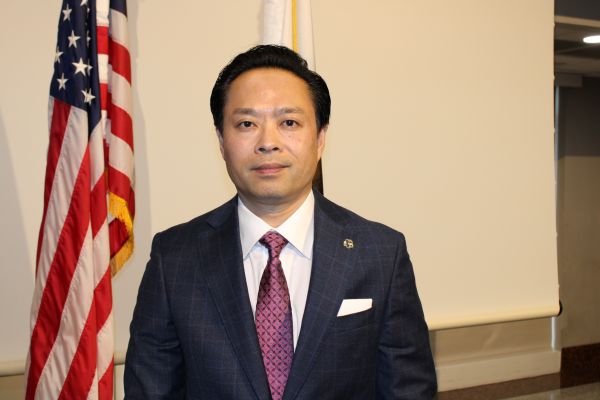
Yolo County District Attorney Jeff W. Reisig marked the anniversary with a news release touting "130 complaints alleging felony violations" of new laws against possession of hard drugs with two or more prior convictions and 187 complaints for serial shoplifters. Another 12 people went into drug treatment. Reisig was one of the most visible supporters of the Proposition 36 campaign.
"Proposition 36 was designed to address repeat drug possession in a way that recognizes addiction as a health issue as well as a legal one," Reisig said in the news release. "These cases show that when treatment is appropriate, we are using it. Accountability matters but so does giving people a real opportunity to get help and break the cycle of addiction."
Proposition 36 topped the list of budget priorities the California Senate Republican Caucus sent to Newsom.
"Last year, local law enforcement and mental health providers identified needs for nearly $350 million annually to fully implement the measure, but despite the clear voter mandate and the demonstrated need, the 2025-26 budget failed to fully fund Proposition 36's implementation," they wrote to Newsom on Wednesday.
A Judicial Council survey released at the end of April found there had already been more than 25,000 filings under Proposition 36 statewide, including 9,000 drug cases. Last month, prosecutors in Los Angeles, Orange and San Diego counties announced between them they had already charged more than 13,000 people under Proposition 36.
Last week, Sacramento County District Attorney Thien Ho and Placer County District Attorney Morgan Gire held a press conference at Ho's offices. Ho touted "nearly 1,000 felony cases" filed under the law, including more than 240 felony drug cases. He claimed around 600 convictions for drug and theft crimes under Proposition 36.
"For the first time in years, we can now impose real felony consequences for repeat offenders," Ho told reporters. "For the first time in years we have been able to hold people truly accountable."
Both Ho and Gire urged state lawmakers to pass more funding for Proposition 36 when they reconvene next month.
"Counties shouldn't have to rely on grants or just hope they get money to fund these critical services," Gire said at the news conference. "It's the state's responsibility to ensure these treatment programs are fully supported."
But one important person disagrees. Newsom, who opposed Proposition 36, has repeatedly pointed out that proponents chose to write it without a built-in funding mechanism. This may have helped the law pass, but it also left it at the mercy of the state's budget process.
On Nov. 19, the nonpartisan Legislative Analyst's Office projected a dire budget gap, prompted in part by ongoing uncertainty about federal support.
"Under our revenue and spending estimates, the Legislature faces an almost $18 billion budget problem in 2026-27," the California Fiscal Outlook report found. "This is about $5 billion larger than the budget problem anticipated by the administration in June, despite improvements in revenue."
But the analyst has yet to deliver a comprehensive review of the overall cost of Proposition 36. Before last year's election, it projected costs of "several tens of millions of dollars to the low hundreds of millions of dollars annually." These costs are hard to estimate because they range from courts to attorneys to law enforcement and the prison system.
For instance, the California Department of Corrections and Rehabilitation reported this month that at least 630 people have entered the prison system through November because of Proposition 36. This accounts for less than 3% of overall admissions this year, though the proportion appears to be growing.
Newsom is expected to deliver his draft budget plan by Jan. 10. Last year, he did not include funding for Proposition 36. He eventually added $110 million, including $20 million to help courts deal with the additional caseload. This was far less than the $400 million urged by Republican legislators, or the $250 million sought by a group of moderate Democrats who had supported Proposition 36.
Meanwhile, both prosecutors and public defenders have spent the fall warning of a growing court crisis fueled by Proposition 36. One epicenter has been San Francisco, where District Attorney Brooke Jenkins was an outspoken supporter. But both Jenkins and Public Defender Mano Raju have warned of staffing issues, with Raju's office sometimes refusing to take on new cases.
Malcolm Maclachlan
malcolm_maclachlan@dailyjournal.com
For reprint rights or to order a copy of your photo:
Email
Jeremy_Ellis@dailyjournal.com
for prices.
Direct dial: 213-229-5424
Send a letter to the editor:
Email: letters@dailyjournal.com