


Insurance
May 6, 2026
Litigation, regulation, federal scrutiny converge after 2025 fires
Lawsuits, state enforcement and federal interest are raising questions about insurer conduct and whether California's regulatory system can effectively handle widespread wildfire claims disputes.


Homeowners' lawsuits, regulatory action and federal scrutiny following the 2025 Los Angeles County wildfires are testing the effectiveness of California's insurance system and highlighting potential weaknesses.
State Farm, one of the primary insurers at the center of the disputes, has pushed back on criticism of its claims handling and the state's oversight, saying in a statement Monday that California's insurance market is "the most dysfunctional in the country," blaming regulatory delays and uncertainty for reduced coverage options.
"We reject any suggestion State Farm engaged in a general practice of mishandling or intentionally underpaying wildfire claims," the company stated.
The overlap of private litigation, state enforcement and federal interest has raised questions about whether existing oversight mechanisms are sufficient to address insurer conduct. This includes whether disputes over coverage and claims handling reflect isolated problems or broader weaknesses in the state's regulatory system.
In phone and email interviews, attorneys representing policyholders and two who are candidates for election as insurance commissioner pointed to a mix of structural and regulatory challenges that they say have contributed to the current landscape and may complicate efforts to stabilize the market going forward.
Shant A. Karnikian, a partner at Kabateck LLP who represents wildfire survivors in claims against insurers, said the current disputes reflect issues that predate the fires themselves.
"Underlying all of this, there was a coverage crisis brewing in California," Karnikian said, pointing to longstanding concerns about underinsurance, rising construction costs and the way policies are structured.
Those pressures, he said, collided with the scale of the wildfire losses, exposing weaknesses in how claims are handled after major disasters.
Karnikian described widespread problems with delays, underpayments and inconsistent claim evaluations, which he attributed in part to understaffed claims departments and reliance on out-of-state adjusters unfamiliar with local rebuilding costs.
"It's sort of a recipe for disaster across the board on these claims," Karnikian said, adding that claims are often undervalued and delayed due to a lack of resources and personnel.
In that vein, Karnikian said, litigation has become a primary mechanism for resolving disputes, particularly when policyholders disagree with insurers' assessments of damage or coverage.
Karnikian said recent enforcement actions by the California Department of Insurance - including findings the state announced Monday that identified nearly 400 claims-handling violations - mark a shift toward more aggressive oversight, but added that such measures have historically been limited.
State Farm disputed those findings, saying the identified issues were based on a limited sample of claims and were largely administrative or procedural, not evidence of systemic failures to pay valid claims.
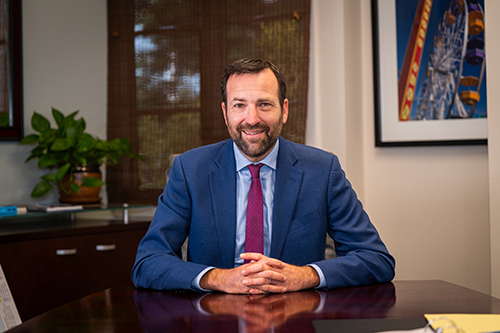
State Sen. Ben Allen, D-El Segundo, an attorney and one of 12 candidates for insurance commissioner in the June election, said, "The old system waits for consumers to suffer and then investigates. I want a system that prevents failure before families are harmed.
"We prevent this by moving from a complaint-driven system to a prevention-driven system. The Department should not discover after a wildfire that an insurer lacked the staff, systems, or protocols to handle claims. That should be tested before disaster strikes. That means annual catastrophe-readiness filings, public performance dashboards, nonrenewal transparency, FAIR Plan accountability, clear smoke damage standards, and enforceable obligations for insurers that want to benefit from California's market."
Karnikian characterized earlier regulatory responses as largely advisory, consisting of bulletins or reminders to insurers, rather than actions with meaningful consequences. More recent enforcement efforts, he said, suggest the insurance department is beginning to take a more active role in examining insurer conduct at scale.
At the same time, Karnikian stopped short of placing full responsibility on regulators, noting the challenges of overseeing large volumes of claims following catastrophic events. He said the scale and complexity of wildfire-related claims can strain both insurers and regulators, making it difficult to sufficiently address problems in real time.
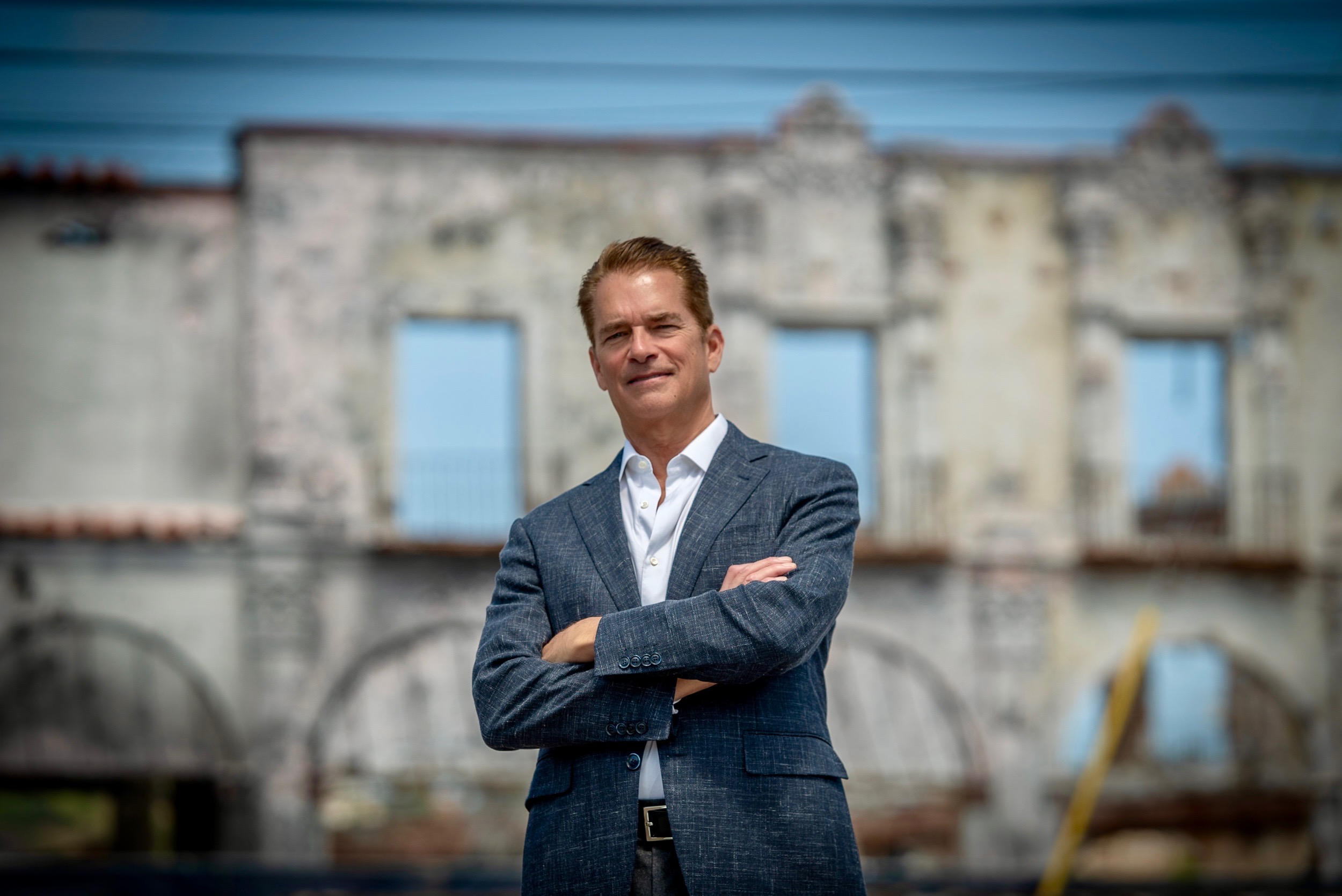
Merritt D. Farren, an attorney in Calabasas and also a candidate for California insurance commissioner who lost his home in the Pacific Palisades fire, framed the issue more broadly as a breakdown in how the system is structured and managed.
Farren, a former in-house legal executive at companies including Amazon and Disney, recently intervened in a rate proceeding involving State Farm. He said it ended in a settlement largely maintaining an earlier emergency rate increase but not granting the full increase the insurer had sought. He said this experience highlighted broader issues with how the system operates and informed his views on how it could be improved.
"We've had very, very poor decision making ... in the legislative process ... and in the regulatory process," Farren said, arguing that both policy choices and oversight have contributed to the current situation.
Farren said the role of the insurance commissioner extends beyond enforcing rules after problems arise, likening the position to a policing function that should aim to prevent misconduct in the first place.
He also pointed to what he described as a complex and often unclear regulatory framework governing insurance in California, describing it as "murky" and "messy" in ways that can hinder compliance and limit innovation for insurers while reducing options for consumers.
Farren said the rate-setting process could be improved by requiring insurers to provide more complete information at the outset, rather than relying on a protracted, litigation-style process to resolve disputes over rate increases.
He also rejected the notion that consumer intervenors are responsible for delays, arguing instead that delays often stem from incomplete filings and the structure of the process itself.
Allen said, "The old model was too reactive: Wait for a disaster, wait for complaints, wait for an investigation, then maybe impose penalties years later. ... Every major homeowner insurer should file an annual disaster-readiness plan with the Department. It should include staffing levels, surge adjuster contracts, reinsurance and financial capacity, call-center capacity, language access, escalation procedures, vendor oversight, smoke damage protocols, and timelines for claim handling."
He referred to two bills aimed at providing more transparency to consumers and stronger enforcement. "I introduced SB 1209 to close an enforcement gap by requiring insurers to correct violations found in Department examinations within a defined timeframe or face penalties after a hearing.
He also wrote SB 130, which "would require more specific explanations for nonrenewals and give policyholders a chance to reduce identified risk and keep coverage."
Beyond regulatory concerns, both Karnikian and Farren said the increasing reliance on the California FAIR Plan - the state's insurer of last resort - highlights broader strains in the market.
Karnikian said the FAIR Plan has not necessarily resolved issues facing policyholders, describing it as presenting many of the same challenges seen with private insurers, particularly in disputes over smoke and ash damage.
Farren was more critical, describing the FAIR Plan as failing both consumers and insurers by providing limited coverage while also affecting how insurers manage risk in the broader market.
"The priority right now is to get survivors answers, payments and accountability," said Allen, whose district includes victims of the 2025 fires. "The Commissioner should not wait for years of litigation to help people rebuild. ... To resolve this, the Commissioner needs to do two things at once: Help survivors now and follow the facts wherever they lead. That means faster complaint intervention, public reporting on outstanding claims, corrective action for any verified violations, clear smoke damage standards, and coordination with state and federal law enforcement. The courthouse will handle the antitrust claims, but the Department of Insurance has a responsibility today to make sure families are not abandoned while they rebuild."

Jane Kim, a former San Francisco county supervisor is another attorney seeking election as insurance commissioner. She said the key to resolving the system's problems is enforcing the law. "When insurers collude to cancel policies and force Californians onto the FAIR Plan, they're both breaking the law and keeping working people from building wealth and participating in our economy," she said in an email. "You can't get buy a home or a car without insurance, and you can't rebuild without it. " Using every tool available "to make sure Californians can stay in their homes and stay in the market ... means being unafraid to hold insurance companies accountable when they break the law."
Meanwhile, federal involvement has added another dimension to the evolving landscape. The Justice Department on Monday announced it had filed a statement of interest in a state court antitrust case brought by homeowners against major insurers including State Farm.
Pending in that case are multiple demurrers filed by the insurers before Superior Court Judge Samantha P. Jessner. Ferrier v. State Farm Fire and Casualty Company, et al., 25STCV12117 (L.A. Super. Ct., filed April 23, 2025).
Stephen G. Larson, a Larson LLP partner who is co-leading the antitrust action, said in a statement, "We are pleased that DOJ's antitrust division has taken a look at this dreadful situation and we welcome their involvement."
The broader debate is unfolding against the backdrop of California's upcoming insurance commissioner race, where about a dozen candidates are competing to replace term-limited Commissioner Ricardo Lara.
Among the leading candidates, there is a general agreement on the need for greater transparency and accountability from insurers under Proposition 103, the voter-approved law governing insurance rates.
Candidates have also broadly emphasized reducing wildfire risk, limiting reliance on the FAIR Plan and addressing climate-related pressures driving insurance costs.
At the same time, the race reflects differing views on how the system should function. Farren, for example, has argued the regulatory framework itself needs to be reworked to allow clearer rules and more innovation, while other candidates have focused on strengthening enforcement and oversight within the existing structure.
Lara has acknowledged frustration from wildfire survivors, saying in late 2025 that recovery efforts have involved "multiple agencies" and levels of government. His department has pointed to actions including a formal investigation into State Farm's claims handling, legal action involving the FAIR Plan and directives requiring insurers to fully investigate smoke damage claims.
However, some policyholders have said those efforts have not moved quickly enough, citing ongoing delays and denials in claims and calling for faster investigations and a pause on rate increases.
Devon Belcher
devon_belcher@dailyjournal.com
For reprint rights or to order a copy of your photo:
Email
Jeremy_Ellis@dailyjournal.com
for prices.
Direct dial: 213-229-5424
Send a letter to the editor:
Email: letters@dailyjournal.com