


Civil Procedure
May 13, 2026
Remote deposition coaching texts trigger rare tentative terminating sanctions
An Alameda County judge issued a rare tentative terminating sanctions ruling after plaintiffs' attorneys uncovered defense counsel allegedly coaching witnesses by text message during remote depositions in a wrongful termination lawsuit.


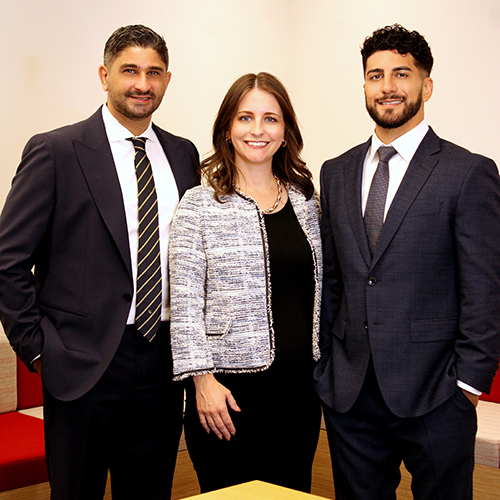
Miracle Mile Law Group obtained a tentative terminating sanctions ruling against the defense and an $84,420 payment for costs in an Alameda County Superior Court wrongful firing case after the plaintiffs' attorneys discovered opposing counsel was coaching witnesses by text during remote depositions.
The case settled after a tentative ruling by Judge Jamilah A. Jefferson found that lead defense attorney Jessica Shafer's conduct during sworn testimony in Joe Joven v. Dreyer's Grand Ice Cream Inc. et al., 24CV075650 (Alameda Super. Ct., filed 2024), warranted severe sanctions because it undermined the integrity of the litigation process.
The judge found extensive misconduct by defense counsel from Jackson Lewis P.C., including real-time witness coaching by text message during depositions, withheld evidence, shifting discovery responses and spoliation of electronic evidence. The judge concluded the misconduct irreparably tainted the truth-seeking process and effectively resolved liability against the defense.
"Defense counsel's conduct made taking a meaningful deposition virtually impossible and shows extensive direction by defense counsel to multiple witnesses as to how to respond," Jefferson wrote.
Justin Hanassab, co-founding partner of Miracle Mile Law Group along with Steven I. Azizi, said in a phone interview Tuesday that the judge received a reply from Jackson Lewis and held two hearings but had not made her terminating sanctions order permanent before the parties resolved the matter "to everyone's satisfaction." The $84,420 in cash sanctions was paid with a Jackson Lewis check, and the judge signaled she was poised to grant terminating sanctions.
"This is extremely rare, a tentative granting terminating sanctions," Hanassab said. "It's a unique situation to see opposing counsel coaching during a deposition. We've had our suspicions but this was the first time we were able definitely prove it."
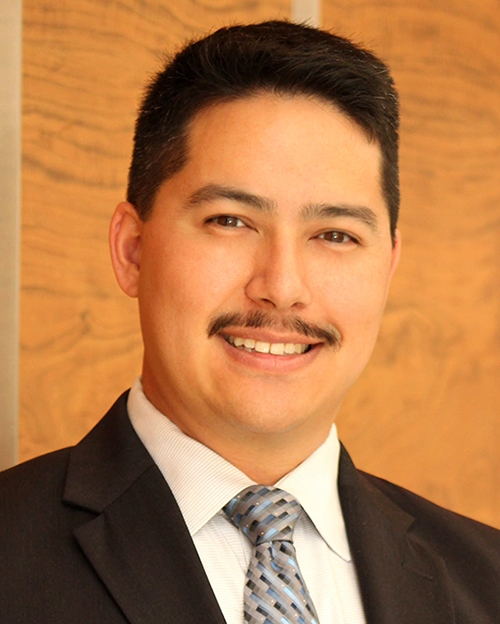
Caitlyn Handy, a junior partner at Miracle Mile Law Group, along with attorney Tyler Harris, was handling the remote deposition of Dreyer's person most qualified, Clint Wickensheimer, when she noticed he kept looking down at an object outside the camera view before answering questions. Similar behavior was seen with a previous witness.
"We noticed the reflection in his glasses appeared to be a phone," Handy related. "We asked, 'Are you getting text messages from your attorney while you are testifying today?' He said yes."
After that, Paul J. Lukas, a principal from Jackson Lewis' Minneapolis office, stepped in as principal and disclosed to the judge that Shafer was "sending text messages that were substantive in nature," Hanassab said.
More than 70 text messages with witnesses during deposition were produced, Hanassab said. "Lukas reported to the court that Shafer was suspended pending further investigation and the next thing we learn is she was separated from the firm."
Shafer could not be reached for comment. No phone number or email address appears on her State Bar profile.
Handy noted the distinction between properly preparing a witness before a deposition and improperly coaching testimony in real time. She explained that lawyers often prepare witnesses for anticipated lines of questioning and legal theories underlying a case because witnesses may not understand why certain questions are being asked. But she said problems arise when attorneys effectively substitute their own testimony or legal analysis for a witness's independent answers during sworn testimony.
Handy said the case was "definitely a cautionary tale against remote depositions. They are more convenient for all involved, which is why the terminating sanctions are so important for their deterrent effect, that attorneys know there will be consequences."
Jefferson wrote that it was "undisputed that Defendants' lead counsel, Jessica Shafer, spent portions of at least two depositions instructing lay witnesses by text message on what to say and what not to say."
The court further found that testimony and video evidence showed the witnesses appeared to respond in accordance with the instructions.
In one text exchange, the judge wrote, Shafer told the witness "what to mention or what to focus on, and even whether to answer a question 'yes' or 'no.'"
Hanassab described the discovery dispute as developing over nearly two years of litigation.
"From the outset, it became increasingly clear that the defense was not complying with its discovery obligations," Hanassab wrote in a statement. "Over time, evidence emerged showing a troubling pattern of misconduct, including withheld documents, concealed witness statements, shifting discovery responses, and the destruction of electronic evidence."
Jefferson's ruling cited Tucker v. Pacific Bell Mobile Services, 186 Cal.App.4th 1548 (2010), holding that witness coaching during depositions is sanctionable discovery abuse.
"As Plaintiff notes, the 'bell' cannot be unrung and the prejudice to Plaintiff cannot be undone as witness testimony has been irrevocably affected," the judge stated.
"It appears clear that the offending defense counsel has been a part of and/or managed and/or directed the litigation for the Defendant making it impossible to 'rehabilitate' in any manner the result(s) of her offenses in the litigation -- as they likely permeate the entire case," the ruling stated.
Hanassab said the sanctions carried broader implications for the legal system.
"Depositions are one of the few opportunities in litigation to obtain unfiltered testimony directly from witnesses under oath," he stated. "The integrity of that process is fundamental to the justice system."
He added, "When attorneys secretly coach witnesses in real time during sworn testimony, the truth-seeking function of litigation breaks down."
Laurinda Keys
laurinda_keys@dailyjournal.com
For reprint rights or to order a copy of your photo:
Email
Jeremy_Ellis@dailyjournal.com
for prices.
Direct dial: 213-229-5424
Send a letter to the editor:
Email: letters@dailyjournal.com