


Civil Procedure
May 14, 2026
The crisis of incivility requires immediate judicial attention
In an era of overwhelming federal dockets and increasingly aggressive discovery practice, swift judicial intervention remains one of the few effective tools for preserving professionalism and the integrity of the process.


Santa Ana
Scott C. Clarkson
Judge
Bankruptcy
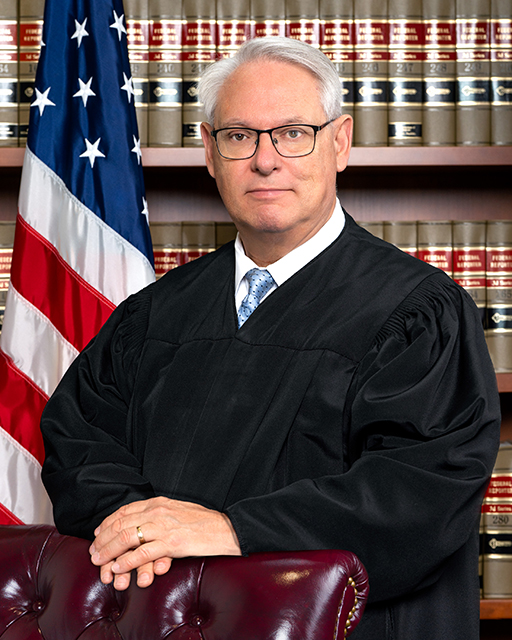
Scott C. Clarkson is a U.S. bankruptcy judge in the Central District of California.
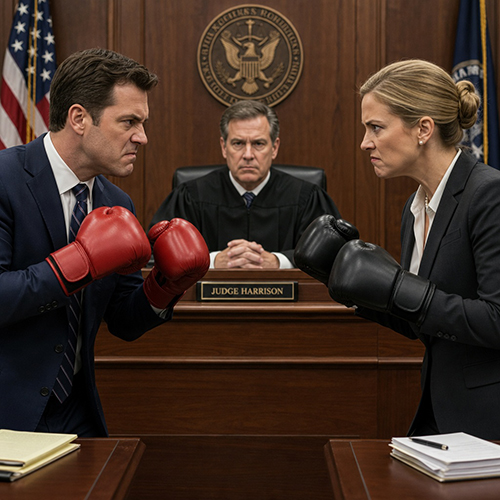
In March 2026, counsel in the Uber passenger sexual assault multidistrict litigation pending in the Northern District of California filed a motion seeking to bar an attorney from further participation in the proceedings after what was described as extraordinary misconduct during a discovery meet-and-confer. According to the motion, the attorney repeatedly referred to opposing counsel as a "pedophile," "rapist," "dirt bag," "scum bag," made sexually explicit remarks, shouted over opposing counsel and made inappropriate comments involving counsel's daughter during the conference. The filing further alleged that this was not an isolated incident, identifying earlier discovery conferences in which similarly abusive conduct allegedly occurred.
The response from the court was notable not merely because of the seriousness of the allegations, but because of the speed with which the matter was addressed. District Judge Charles R. Breyer set the matter for hearing almost immediately. Within days, the parties submitted a stipulation acknowledging that the conduct was "outrageous" and "improper," and the attorney was barred from appearing before the court, participating in depositions, interacting with opposing counsel or otherwise taking part in the MDL proceedings. The court promptly approved the stipulation.
At a time when discovery abuse and litigation incivility have become increasingly normalized, the Northern District's response deserves attention. Not because it was dramatic, but because it was immediate. That distinction matters. No number of pleas from courts during bar association meetings and newsletters will suffice when the attorneys believe that judges are incapable or unwilling to act.
Federal judges today preside over dockets of astonishing size and complexity. District and Bankruptcy Courts, particularly in California, confront crushing caseloads, chronic staffing shortages, expanding litigation and discovery disputes that can consume hundreds of attorney hours before ever reaching a courtroom. In that environment, even the most conscientious judges are often unable to immediately address attorney misconduct and incivility when it arises.
That reality is understandable. But it is also dangerous.
The modern discovery process increasingly rewards aggression untethered from professionalism. Too many lawyers now operate under the assumption that there will be little or no immediate consequences for abusive behavior during meet-and-confers, depositions, electronic discovery disputes or motion practice. Delay itself becomes part of the strategy. If sanctions motions take months, or even a year, to be heard, if civility complaints disappear into already overburdened chambers, and if courts understandably prioritize dispositive motions and trial schedules, then the bad actor often wins by attrition.
The result is predictable. Incivility metastasizes.
The federal judiciary has long recognized that civility is not merely aspirational etiquette. It is essential to the fair administration of justice. Discovery cannot function if lawyers weaponize intimidation, harassment or obstruction. The Federal Rules of Civil Procedure contemplate cooperation, proportionality and professionalism. Yet many litigators now treat discovery as trench warfare precisely because meaningful consequences are so infrequent and so delayed.
The events before Senior District Judge Breyer illustrate why swift judicial engagement matters. Importantly, Judge Breyer accomplished this while serving on senior status and simultaneously carrying one of the nation's most demanding MDL dockets. The Uber litigation alone involves extraordinarily complicated issues, voluminous discovery and massive coordination challenges. Yet the court recognized something many judges privately acknowledge but cannot always operationalize: Incivility itself threatens the administration of justice and therefore must be treated as an urgent matter, not a peripheral annoyance.
Most federal judges understand this instinctively. The problem is structural, not personal. District and bankruptcy courts are overwhelmed. Magistrate judges face very tough calendars. Law clerks and courtroom staff already operate at maximum capacity. Discovery disputes arrive in relentless waves, and emergency motions compete with criminal calendars, trials, dispositive motions and settlement conferences.
California's federal courts continue to experience some of the heaviest caseload pressures in the nation. Vacancies have often remained unfilled for extended periods. Senior judges shoulder enormous burdens long after many would have retired completely. Meanwhile, discovery itself has become exponentially more expensive and contentious in the digital age. Massive electronically stored information productions, metadata disputes, privilege fights, artificial intelligence review issues and coordinated MDL discovery have transformed what were once relatively manageable disagreements into sprawling satellite litigation. Against that backdrop, civility disputes are often viewed as secondary matters that can wait.
But none of those realities alter a central truth: when courts do not promptly confront litigation misconduct, the misconduct spreads.
Bad actors carefully observe institutional incentives. They know when a judge has no time to deal with discovery abuse. They know when chambers will push hearings months into the future. They know when sanctions motions are likely to die quietly. And they adjust their behavior accordingly.
Unfortunately, professionalism codes and bar civility guidelines alone are insufficient. Lawyers inclined toward abusive conduct are rarely deterred by aspirational statements. They are deterred by immediate consequences.
That is why swift judicial intervention is so critical. Speed changes incentives. When lawyers understand that discovery abuse may trigger an immediate hearing, expedited sanctions consideration, public rebuke, exclusion from proceedings or referral to disciplinary authorities, behavior changes quickly. The overwhelming majority of attorneys, who already practice professionally, benefit from that environment as much as judges and litigants do.
Young lawyers notice this dynamic as well. New attorneys learn professional norms not from civility codes framed on law office walls, but from observing what conduct courts actually tolerate. If abusive behavior consistently produces strategic advantage without meaningful consequence, the profession gradually internalizes that lesson.
This is especially true in multidistrict litigation, where discovery disputes can influence thousands of claims and billions of dollars in exposure. MDLs create immense pressure on all participants. Without active judicial management of attorney behavior, the risk of systemic deterioration becomes substantial.
None of this suggests that every heated exchange warrants sanctions or judicial intervention. Litigation is adversarial by nature. Lawyers are expected to advocate forcefully. But there is a profound difference between zealous advocacy and conduct that undermines the integrity of the process itself.
The legal profession now confronts a genuine civility crisis. Nearly every experienced litigator can recount discovery conferences devolving into personal attacks, abusive deposition conduct, performative hostility or gamesmanship designed solely to increase cost and delay. Many judges see it repeatedly. Too often, however, the judicial system lacks the bandwidth to respond in real time. That must change.
The federal courts cannot eliminate incivility entirely. But they can alter the incentives that sustain it. Prompt attention to misconduct, even in isolated cases, sends a message far beyond the individual dispute. It signals that professionalism remains indispensable to the rule of law.
The crisis of incivility will not abate unless courts place these matters on the front burner. When judges act swiftly, the entire system benefits.
Submit your own column for publication to Diana Bosetti
For reprint rights or to order a copy of your photo:
Email
Jeremy_Ellis@dailyjournal.com
for prices.
Direct dial: 213-229-5424
Send a letter to the editor:
Email: letters@dailyjournal.com