


Labor/Employment
Aug. 20, 2026
San Francisco shields workers from certain out-of-state criminal records
San Francisco's expanded Fair Chance Ordinance prohibits employers from basing adverse employment decisions on out-of-state convictions or unresolved arrests for conduct lawful in California in four categories.


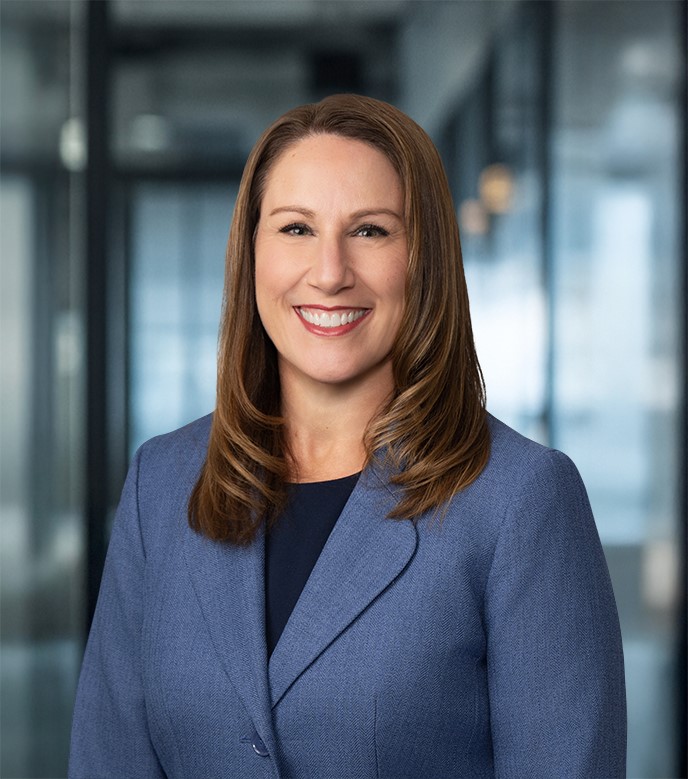
Michele Haydel Gehrke
Partner
Reed Smith LLP
Email: mgehrke@reedsmith.com
Michele is a Labor and Employment partner in the firm's San Francisco office.
The City and County of San Francisco has amended its Fair Chance Ordinance (FCO) to prohibit certain out-of-state convictions or unresolved arrests from being considered in employment decisions. The amendments--passed by the Board of Supervisors on July 7 and signed by Mayor Daniel Lurie on July 10--took effect on Aug. 10. Employers may no longer take adverse action against applicants or employees based on out-of-state convictions or unresolved arrests involving abortion care, gender-affirming care, drag performances or miscarriage when that conduct is lawful in California.
Protected categories
Effective Aug. 10, the FCO prohibits employers from basing adverse employment decisions on out-of-state convictions or unresolved arrests for conduct lawful in California in four categories:
· Abortion-related healthcare: Seeking, performing, providing, receiving or facilitating services to terminate a pregnancy.
· Drag performances: Public artistic performances characterized by exaggerated displays of femininity or masculinity, including wearing clothing associated with a different gender than one's assigned gender at birth.
· Gender-affirming care: Medical care, support or advocacy addressing disparities between a person's gender identity and physiology, including hormone therapy, surgical procedures and changes to name or gender markers. This also covers convictions for using a gendered facility or playing sports on a team matching one's gender identity.
· Spontaneous abortion: Noninduced pregnancy loss before 20 weeks (miscarriage) or after 20 weeks (stillbirth), and related medical services.
These four categories can never qualify as "Directly-Related Convictions." A "Directly-Related Conviction" is one in which the underlying conduct has a direct and specific negative bearing on the individual's ability to perform the duties and responsibilities of the position. Employers cannot rely on the protected categories to justify adverse action, even if the conduct might otherwise appear relevant to the position. The ordinance states that a conviction falling within these categories "shall not be a 'Directly-Related Conviction.'"
Post-Dobbs context
The amendments respond to the U.S. Supreme Court's 2022 decision in Dobbs v. Jackson Women's Health Organization, which limited federal protection for reproductive freedom. The ordinance's findings section notes the resulting "patchwork of regressive and harmful state legislation," including abortion bans without exceptions for rape, incest or the health of a birthing person.
As of May 2026, 13 states have criminalized abortion, with several imposing criminal penalties on patients and providers. Twenty-seven states have restricted gender-affirming care; 24 of those impose civil, criminal or licensing penalties on physicians, providers or parents of transgender youth. Two states ban drag performances if minors are present, and four others have enacted related restrictions.
Covered employers
The FCO defines "Employer" to include any individual, firm, corporation, partnership, labor organization or other organization located or doing business in San Francisco that employs five or more persons regardless of location. This includes owners, management, supervisory employees and staffing agencies. The employment nexus requirement is minimal: at least eight hours of work per week within the city.
Doubled penalties
The amendments double administrative penalties before the Office of Labor Standards Enforcement (OLSE). First violations now carry penalties up to $1,000 per affected individual (up from $500), second violations up to $2,000 (up from $1,000), and subsequent violations up to $4,000 (up from $2,000). Penalties are paid to the affected employee or applicant.
Liquidated damages in civil lawsuits also double, from $500 to $1,000 per person per day. Prevailing plaintiffs may also recover attorney's fees, injunctive relief, reinstatement and back pay.
Procedural requirements
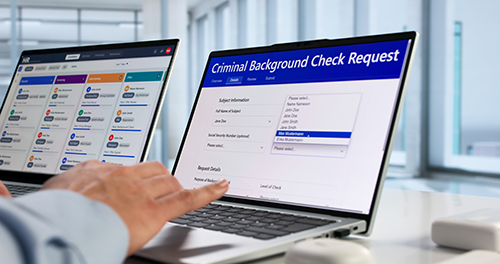
If an applicant or employee submits information within seven days of receiving a pre-adverse action notice, the employer must confirm receipt within 14 days, delay adverse action for a reasonable period, and reconsider. If the individual makes a reasonable factual showing that the proposed adverse action rests solely on a conviction that is not a Directly-Related Conviction, the employer must withdraw it. The employer must provide any final adverse action notice based on criminal history within 30 days after receiving the individual's response or, if no response is received, within 30 days after the pre-adverse action notice.
Exemptions
Positions involving care of children or other vulnerable populations may be subject to state or federal background check requirements that supersede local protections. The FCO does not require employers to give preference to or hire unqualified persons with conviction records. Employers in childcare, healthcare and licensed industries should review whether federal or state mandates apply.
Compliance steps
Employers uncertain about compliance with the FCO should take these steps as soon as possible:
· Review background check policies to confirm they do not automatically disqualify candidates based on out-of-state convictions or unresolved arrest in the four protected categories.
· Remove criminal history inquiries from job applications before conditional offers, consistent with both the FCO and California's Fair Chance Act.
· Update pre-adverse and adverse action notice templates to reflect the 14-day receipt confirmation, mandatory withdrawal and final adverse action provisions.
· Ensure all HR personnel and hiring managers are trained on the FCO and inform managers who are already trained about the recent amendments.
· Verify that job postings state the employer will consider qualified applicants with criminal records, and that workplace FCO notices are posted.
· Document individualized assessments. The OLSE may find violations based on failure to conduct proper assessments or on adverse decisions using any protected record category.
The ordinance's findings say the city intends to ensure "no one living in San Francisco is adversely impacted while seeking affordable housing or employment due to cruel or discriminatory laws in other states."
Submit your own column for publication to Diana Bosetti
For reprint rights or to order a copy of your photo:
Email
Jeremy_Ellis@dailyjournal.com
for prices.
Direct dial: 213-229-5424
Send a letter to the editor:
Email: letters@dailyjournal.com