


Alternative Dispute Resolution
Sep. 18, 2026
How to pick the top dog for your mediation
Choosing the right mediator is a lot like choosing the right dog: Attorneys should look beyond pedigree to find the temperament, style and strengths that best fit the case and client.



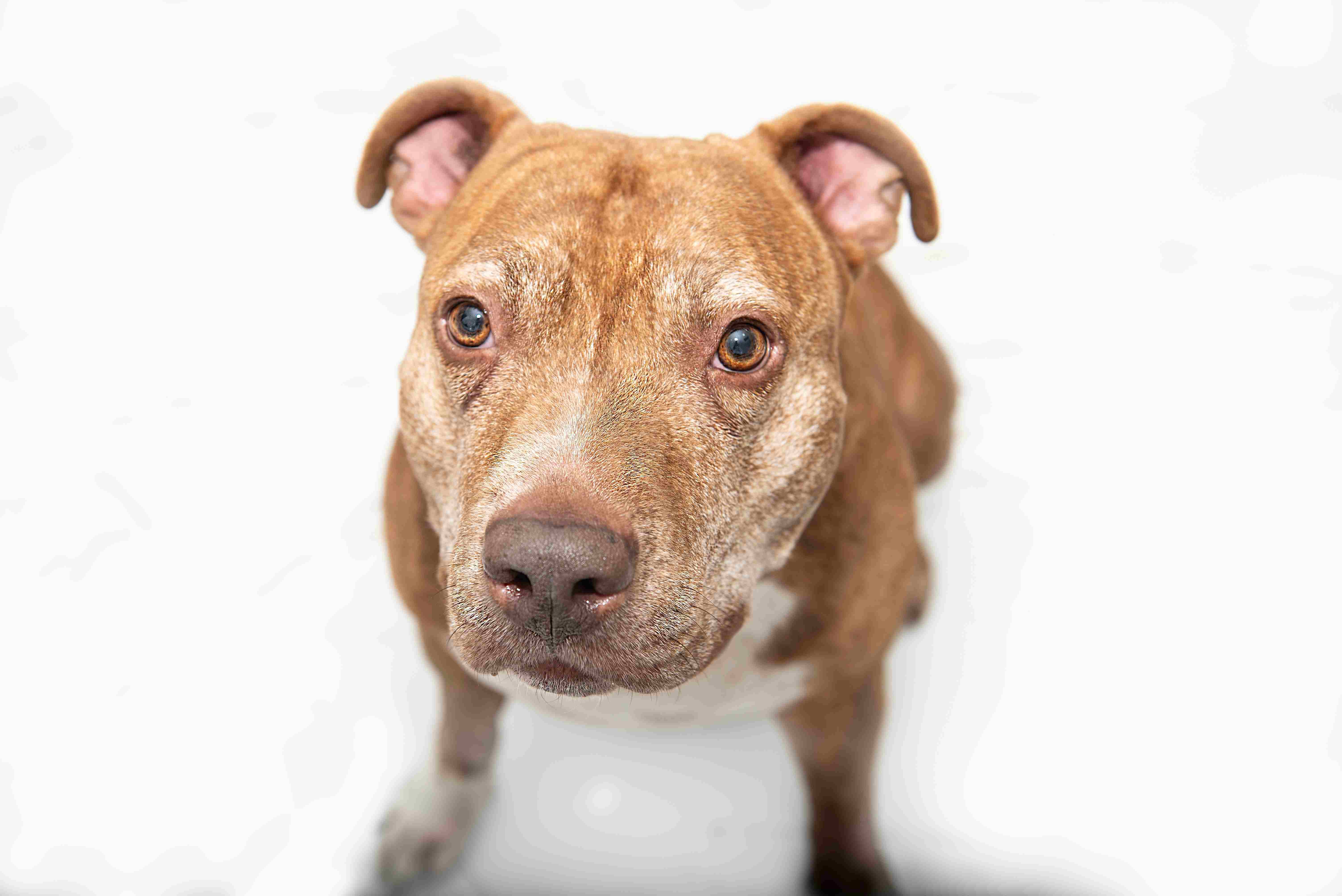
When you decide to adopt a dog, you do a lot of homework first. What kind of disposition are you looking for? Do you want a show dog with attitude and a pedigree, or a mutt with bad breath and a warm heart? Should the dog be a worker who loves performing tasks or a couch potato who'd rather snuggle and watch Netflix with you?
Not every kind of dog is right for every person or family; the wrong breed can wreak havoc in a household. When choosing a puppy, therefore, it's important to look beyond the wagging tail and happy face. There's a lot more involved than meets the eye. Every breed has its own unique traits and qualities; a guard dog is a completely different species than a toy poodle. All have a lot to offer, but the right fit is important for both dog and person to be happy. You want to first reason through the options based on your needs, then use gut instinct as you meet some canines and see what intuitively feels like the right fit.
The same lesson applies when choosing a mediator for a legal dispute. Not every mediator is right for every case, and each mediator comes into the process with his or her own unique personality, experiences and predilections. How you choose a mediator for your client's case should be just as intensive a process as how you select a puppy to join your family.
Let's look at some dog breeds and types of mediators you might consider as you prepare to mediate your matter. Then I'll suggest some research you might conduct to help identify the right mediator for your matter.
The poodle
The poodle mediator is an erudite and pedigreed attorney. This mediator delights in double- and triple-checking numbers, case law and facts. She will watch over the proceedings with dignity and reserve, always setting a measured and deliberate tone.
She has an innate confidence; you feel comfortable resting your case and your client in her capable hands. Just as a skilled judge commands a courtroom, the poodle mediator can help set the parameters of the mediation through tone and style. Poodle mediators may have had a past life on the bench.
Always calm and rational, the poodle mediator sets the tone, helping parties show up to the mediation in the same way. She knows at a foundational level that mudslinging defeats resolution; she will work her hardest to inspire parties and their counsel to show up as their best selves.
Poodle mediators are recommended for PAGA and class-action cases, matters in which exactitude and intellectualism are important. These mediators are detail-oriented and not intimidated by legal concepts that others would consider mind-numbing. The poodle mediator can help craft the terms of a deal that will not only be acceptable to the attorneys but also approved by the court. Due to her elegant precision and quiet confidence, she is perfect for complex matters.
The labrador retriever
The lab is a friendly, playful and loveable mediator with an old soul. Nothing like the poodle, this kind of mediator has other important strengths. His exuberant personality makes it unlikely that he will be focused on precision, but he is sure to win everyone's trust and admiration with his charming and playful style. Far less reserved than the poodle mediator, the lab mediator has the unique ability to love and be loved by even the most difficult people. He is an excellent choice for clients who are shy or who need encouragement sharing their concerns and bottom lines. This mediator may have had a past life as a successful plaintiff's or defense-side litigator, well-liked on both sides of the aisle.
The lab mediator is a great choice for Fair Employment and Housing Act (FEHA) mediations, where the nature of the allegations and limitations around confidentiality can generate highly emotional negotiations. In such cases, the lab mediator's likeable nature will make the process less painful than the parties imagined. The wisdom behind the lab mediator's eyes will help make both parties feel seen and heard, allowing them to let go of their resistance to a deal.
The terrier
The terrier is great at moving the herd toward a common goal. This mediator is the one to use when everyone needs to get on board in order for resolution to occur. The terrier mediator is helpful when there are more than two parties who need to agree to a resolution, such as mediations involving adjustors, litigators, and clients all in the same room. The terrier may have spent her past life as Cumis Counsel and well understands conflicts of interest. Alternatively, she may have been general counsel to a large company, skillfully aligning many internal clients' competing priorities.
The terrier mediator's "dog with a bone" tenacity is helpful for disputes that have more conflict than is typical when managing potential competing interests. Having learned how to align people in all kinds of litigation situations, the terrier mediator is skilled at posturing parties' interests as naturally aligned, even when others might see them as inherently conflicting. This mediator is particularly helpful in mixed cause of action cases when EPLI is at play, especially when some claims might be insurance covered, such as FEHA matters, and other claims are mostly exempt from insurance, such as wage and hour claims. The terrier mediator will help the parties move as a unit to cross the finish line, where fractious battling might otherwise make resolution impossible.
The pit bull
The pit bull mediator is known for her strength and innate ability to enter the fray and emerge the victor. In her past life, she may have been a successful trial attorney. The pit bull mediator may create the impression that she likes to throw her weight around, but she is probably just hyper-focused on sealing the deal; she knows it is what's best for everyone involved. This mediator exudes prestige and is sometimes hired with the hope that her reputation alone will inspire the clients' respect.
The pit bull should be considered when the lawyers on both sides know how badly the matter needs to settle but their clients are wrapped up in a battle of wills. This mediator is particularly helpful in cases that would benefit from a strongly evaluative approach, such as when both sides are a little too confident about their likelihood of winning. The pit bull mediator can then regale the parties with tales of her experience trying cases and crazy outcomes that occurred. In this way, she convinces each side that it is better to be safe (and settle) than sorry (by trying the case and leaving it to the whims of a jury).
The mutt
The mutt has a highly scrappy nature, finding resolution where others only saw a dead end. In his prior life, he specialized in working with marginalized populations that lacked financial resources but had an abundance of passion and resourcefulness. This is the kind of lawyer behind Hollywood depictions of David and Goliath legal battles. The mutt might not boast a top-five law school on his resume, but no one doubts his street smarts or talent.
The mutt mediator is a great hire when parties enter the mediation with mismatched resources, such as a strong plaintiffs' firm bringing a solid PAGA matter against a small company that could go bankrupt with a large settlement. The mutt mediator's scrappy nature makes him an expert at creating non-traditional settlements that still get the deal done.
Dog tagging
So let's assume you've figured out the best breed for your client and your matter. How do you determine which mediator is your breed? Just as with a puppy adoption, you need to do your due diligence.
It's important to know as much as possible about the mediator before signing up with them. You can learn a lot from reading online bios and published articles, but that's just the first step. Talk with other attorneys who have used the mediator to learn about the intangibles--temperament, style, personality--thinking through what would be a good fit for your case in those regards. Then meet with the mediator over the phone or in person. Most good mediators will appreciate your wishing to get to know them a bit, even if you don't hire them this time around. Just as with a puppy, you'll know a lot just by how they greet you. Do you feel warm fuzzies? Assurance that you'll be guarded and protected? Comfort that nothing will get past them, and they will learn the case inside and out? Or maybe you don't care about that, and you just want someone who projects charisma. Ask yourself, what feeling does this mediator inspire in me?
Then, if you're still unsure of what would work best for your situation, ask the client. What qualities might help them feel confident that their matter will be handled to their satisfaction? Just as you might bring your children or your other dog to meet the puppy prospects, don't dismiss the client's instincts and insights. A terrier might be great for marshaling competing perspectives and positions, but that dog won't hunt if the client is intimidated into silence or submission.
Conclusion
Of course, most mediators have two legs and many other non-pooch attributes, though many mediators wish they could be more like their canine counterparts. Nonetheless, choosing prospective mediators with as much care as the animal companion that will live in our home for the next 10-15 years should go a long way toward fetching an optimal resolution for our clients.
Submit your own column for publication to Diana Bosetti
For reprint rights or to order a copy of your photo:
Email
Jeremy_Ellis@dailyjournal.com
for prices.
Direct dial: 213-229-5424
Send a letter to the editor:
Email: letters@dailyjournal.com