


Data Privacy
Sep. 25, 2026
Judge questions privacy harm in Flock license-plate tracking lawsuit
U.S. District Judge Vince Chhabria questioned whether Californians challenging Flock's collection and sharing of license-plate data suffered a concrete privacy injury, raising the possibility that the case could return to state court.


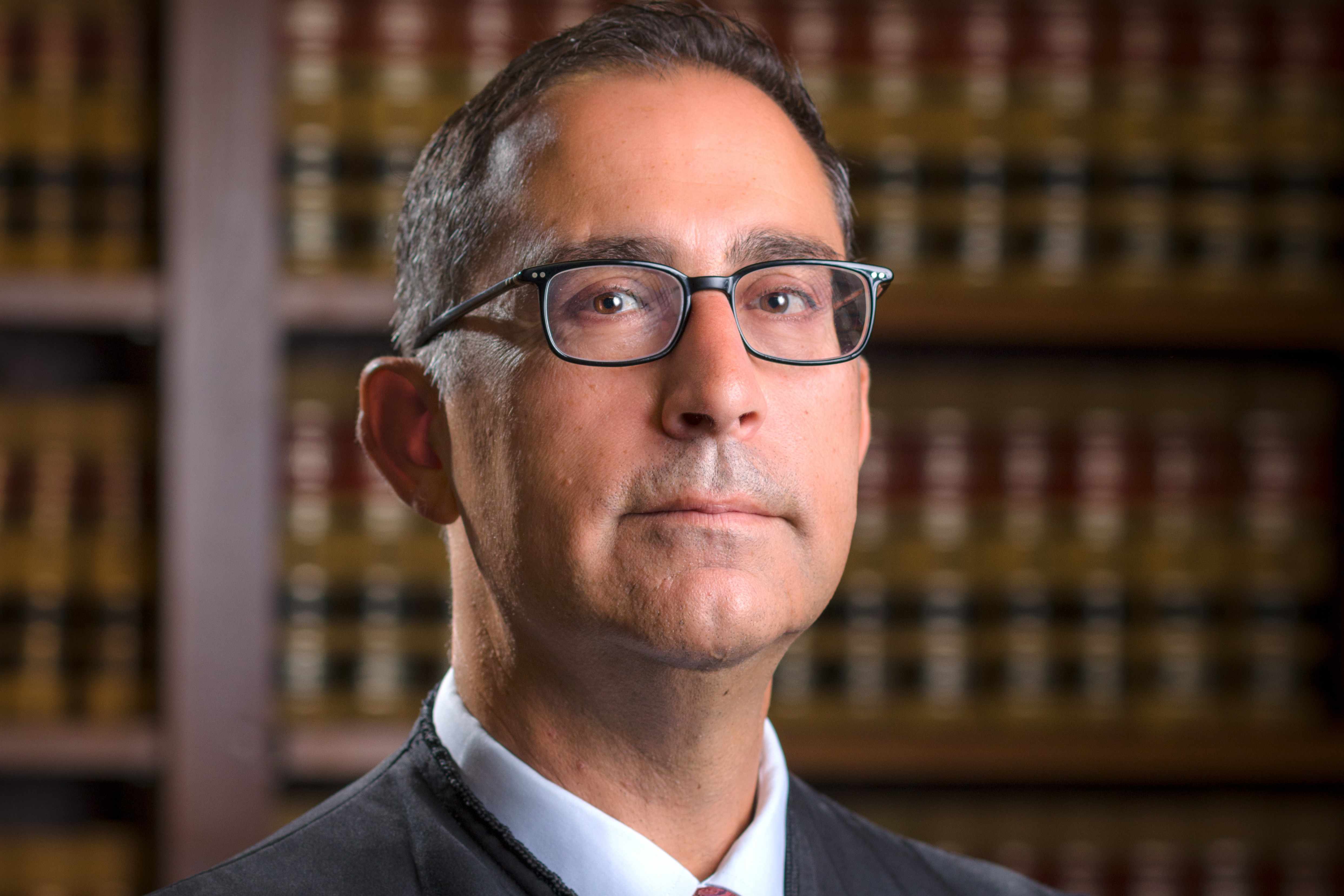
A federal judge appeared skeptical Thursday that Californians challenging Flock Group Inc.'s vast license-plate tracking network have suffered the kind of concrete privacy harm needed to pursue their claims in federal court.
"What's the injury?" U.S. District Judge Vince Chhabria asked Edelson PC associate Michael F. Terlep, who represents the plaintiffs, during a hearing in San Francisco.
The plaintiffs contend that Flock's automated license plate readers violate their privacy by collecting and aggregating information about their movements and making that data available to law enforcement agencies. Terlep argued that the accumulation of that information itself constitutes an injury.
Chhabria was unconvinced.
"Violation of a law is not in itself an Article III injury, as we all know," he said. "What is the cognizable injury that the plaintiffs have suffered as the result of the alleged violation of this law?"
The plaintiffs also allege that Flock improperly allows out-of-state and federal law enforcement agencies to access information collected about Californians, in violation of state restrictions on automated license plate reader data.
"Beyond that, information which was aggregated by Flock ... was then disclosed to out-of-state agencies and federal agencies," Terlep said.
But Chhabria questioned whether expanding the pool of law enforcement agencies with access to information already available to California authorities creates a distinct privacy injury.
"Why is it a cognizable Article III injury to deliver it to additional agencies?" he asked.
Chhabria compared the issue to internet tracking litigation in which users consent to sharing information with some third parties but later challenge its disclosure to others. If someone allows browser data to be shared with 1,000 companies, he suggested, sharing it with another 1,000 does not necessarily create a new privacy injury.
Terlep countered that the better analogy would be someone willingly sharing personal information with family and close friends only to have it passed along to strangers.
"I just don't see a material distinction between those two things from a privacy standpoint," Chhabria responded.
Terlep also cited reports that out-of-state agencies have provided Flock data to federal immigration authorities. He argued that California lawmakers specifically restricted out-of-state access because they concluded "there was something unique, special, problematic about out-of-state accesses."
Chhabria noted, however, that California law enforcement officers have also reportedly shared Flock information with immigration authorities, further questioning whether geography itself establishes a concrete injury.
The standing dispute could determine not whether the lawsuit survives, but where it is litigated.
The case began in Contra Costa County Superior Court before being removed to federal court in March. If Chhabria concludes the plaintiffs lack Article III standing, Terlep said they intend to seek a remand to state court, where standing requirements are less restrictive.
"This is an unusual situation," Chhabria said. "I've never quite dealt with this before."
Chhabria also questioned why the plaintiffs were resisting dismissal when a finding that they lack federal standing could ultimately return them to the state forum where they originally filed.
Terlep said the plaintiffs wanted to avoid wasting judicial and litigation resources by having the case repeatedly move between state and federal courts.
Chhabria said the dispute ultimately turns on whether Flock's alleged disclosure of Californians' license-plate data to out-of-state agencies constitutes a sufficiently concrete injury to establish federal standing. He took the matter under submission.
The case is In re: Flock Group Inc. Automated License Plate Reader Litigation, 3:26-cv-02375 (N.D. Cal., filed March 18, 2026).
Flock was represented at the hearing by Arnold & Porter Kaye Scholer LLP partner Douglas A. Winthrop.
Daniel Schrager
daniel_schrager@dailyjournal.com
For reprint rights or to order a copy of your photo:
Email
Jeremy_Ellis@dailyjournal.com
for prices.
Direct dial: 213-229-5424
Send a letter to the editor:
Email: letters@dailyjournal.com