


Judges and Judiciary
Sep. 28, 2026
Richardson rulings explore who may turn to California courts and how


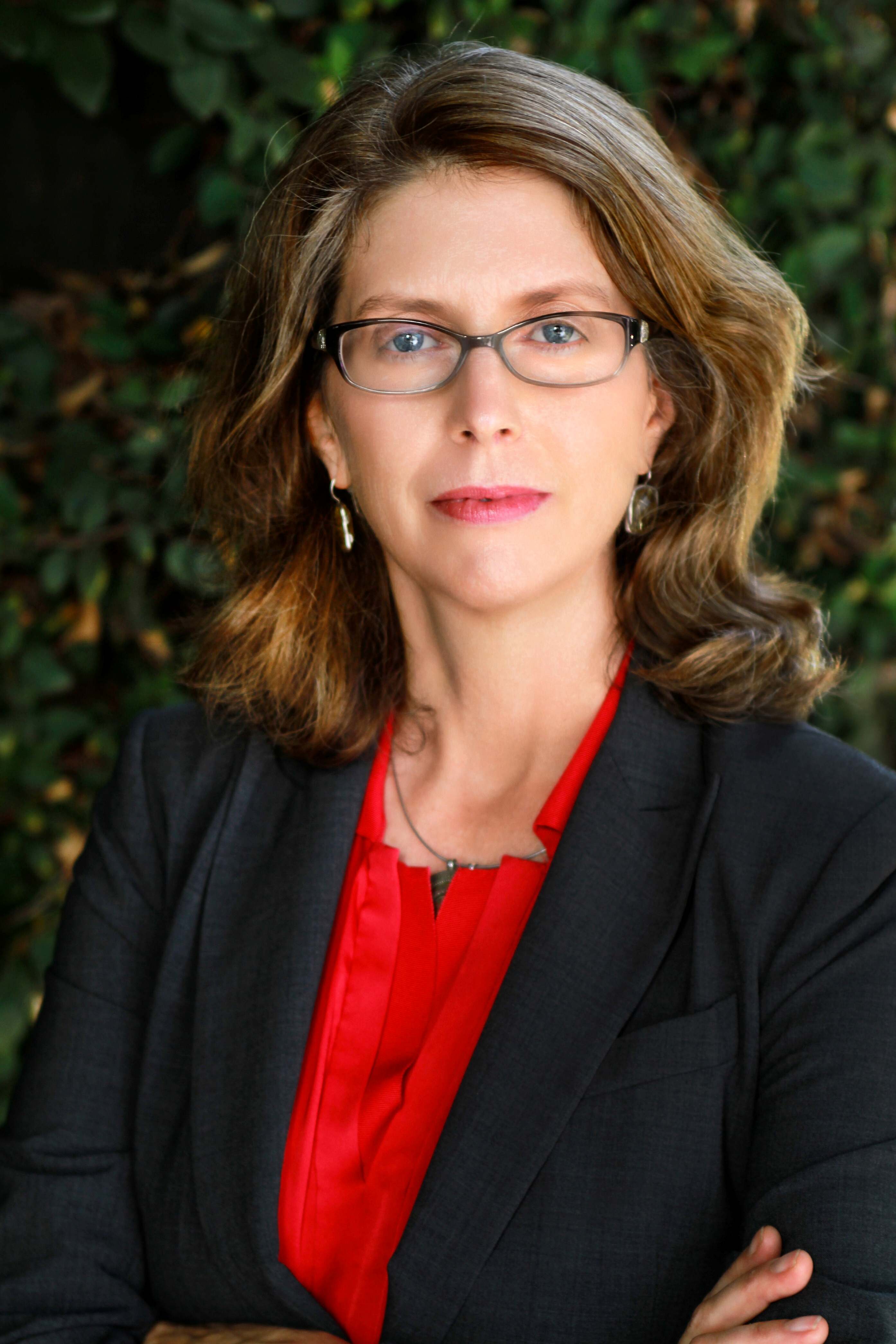
When both sides in a Los Angeles County defamation suit asked to litigate under pseudonyms, 2nd District Court of Appeal Justice Anne K. Richardson wrote that the arrangement left someone out: the public.
Roe v. Smith (2025) is among several published opinions by Richardson that address access to California's courts -- who may invoke their authority, where claims may be heard and on what terms. Gov. Gavin Newsom appointed her to Division Two in 2024, and she faces voters in the Nov. 3 retention election.
In Roe, Richardson and the panel reversed an order allowing two former high school students suing a classmate for defamation to litigate as Jane Roe and John Doe. The First Amendment Coalition, which had sought to unseal their names, appealed.
Richardson wrote that the trial court had understandably credited the plaintiffs' privacy concerns, but that "there is a third stakeholder whenever a party seeks to close any portion of a court record ... the public." A court "must be vigilant to protect the public's right of access even when the parties themselves agree to proceed pseudonymously," she wrote.
Defamation plaintiffs are not categorically barred from using pseudonyms, Richardson wrote, but they "are generally ill suited to do so." Unsupported claims of reputational harm, she wrote, "would swallow the rule."
Eugene Volokh of the First Amendment Clinic at Stanford's Hoover Institution, who represented the coalition on appeal, wrote on his blog that the opinion was "only the third binding California precedent, as I see it, expressly dealing with pseudonymity."
Robert M. Waxman of Ervin Cohen & Jessup LLP built a January Daily Journal column on unmasking pseudonymous litigants around Roe, noting that the panel declined to hold that evidence is "absolutely required" in every case.
Richardson confronted a different barrier to a California courtroom in Hardy v. Forest River Inc. (2025). Her opinion kept a lemon lawsuit over a $130,000 motorhome in California despite a warranty requiring disputes to be resolved in Indiana under Indiana law. The manufacturer offered to let California law apply in Indiana, and the trial court stayed the case on that basis.
"At first blush, this appears a fair resolution," Richardson wrote. But it "does not withstand scrutiny as it is directly contrary to California public policy," because the warranty as written waived rights the Song-Beverly Consumer Warranty Act makes unwaivable.
The state Supreme Court granted review in April 2025 and is holding Hardy pending its decision in Lathrop v. Thor Motor Coach, a related forum selection case.
The question of who may invoke the courts arose more directly in Conservatorship of Anne S. (2025). Richardson's opinion upheld the dismissal of a conservatorship petition filed by attorney Marc B. Hankin, who had met the proposed conservatee once, on a walk, and alleged she was being unduly influenced and possibly mistreated by her housemate.
"At bottom, Hankin's unsupported personal opinion that the law should give him standing is irrelevant to our determination of whether it actually does," Richardson wrote.
Megan A. Moghtaderi, a certified estate planning and probate specialist, called Anne S. "a pivotal case" in a Daily Journal column, writing that it clarifies who may seek a conservatorship in California.
Those appellate questions about access and standing follow six years Richardson spent on the Los Angeles County Superior Court, beginning in family law after Gov. Jerry Brown appointed her in 2018. In a 2020 Daily Journal profile, she said she aspired to "bring as much emotional intelligence as intellectual intelligence" to her rulings.
In a Daily Journal column on move-away custody cases in 2022, Richardson wrote that "the statutory language is fuzzy, while the caselaw is sometimes surprising." She closed: "Further caselaw will be welcome on this topic."
Before taking the bench, Richardson was a directing attorney at Public Counsel and spent two decades at Hadsell Stormer Richardson & Renick LLP litigating civil rights, human rights and employment cases. She has taught civil rights and appellate advocacy at Loyola Law School and UC Irvine School of Law.
Laurinda Keys
laurinda_keys@dailyjournal.com
For reprint rights or to order a copy of your photo:
Email
Jeremy_Ellis@dailyjournal.com
for prices.
Direct dial: 213-229-5424
Send a letter to the editor:
Email: letters@dailyjournal.com