


Civil Procedure
Oct. 20, 2026
Judges, lawyers debate tougher sanctions to curb discovery abuses
An informal coalition organized by Los Angeles County Superior Court Judge Lawrence P. Riff is exploring ways to improve discovery practices, but judges and attorneys disagree over whether sanctions or greater cooperation offer the best solution.


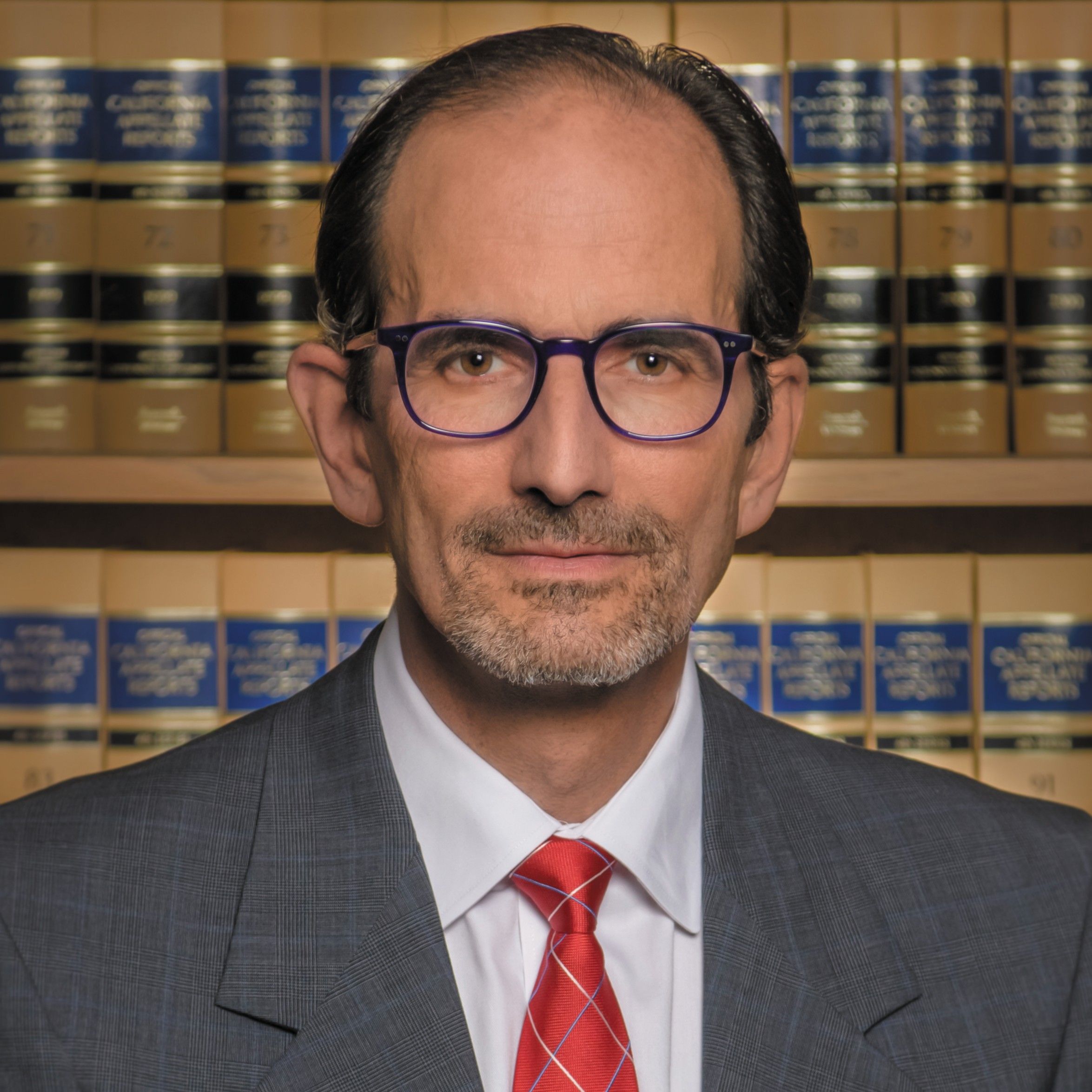
What would happen if judges sanctioned attorneys $150 every time they included a general objection in a discovery response?
Los Angeles County Superior Court Judge Lawrence P. Riff, who oversees the court's civil branch, suspects the practice would disappear.
"What if we were to start sanctioning counsel, say, $150, every time there's a general objection in a response?" Riff asked during a virtual Los Angeles County Bar Association program Monday evening. "I suggest to you, it would stop."
Riff acknowledged that such a policy would be excessive. But the hypothetical illustrated his frustration with discovery practices that have persisted despite years of appeals for cooperation and civility.
Two years ago, Riff helped bring together an informal coalition of judges, plaintiffs' attorneys, defense lawyers and corporate counsel to address those problems. The effort, which operates independently of the court, has focused on identifying entrenched discovery practices and developing practical ways to change them.
Monday's program, "We All Want the Same Thing: Fixing the Discovery Culture," reflected the group's shift toward potential solutions, including stronger sanctions, informal discovery conferences and better attorney training. But the discussion also exposed disagreements over how aggressively judges should intervene.
Riff, emphasizing that he was expressing his personal views rather than speaking for the Superior Court, argued that judges themselves bear some responsibility for the problem.
"We have a cultural problem on our bench, which is that, by and large, we don't like discovery motions," he said. "We shrink from them. We wish they were not in front of us."
California law generally requires sanctions against parties who pursue or oppose discovery motions without substantial justification, Riff said, but judges often hesitate because they fear appearing punitive.
Colin Ward, in-house counsel at Viasat Inc., strongly supported tougher enforcement.
"I'm with Judge Riff," Ward said. "I think sanctions is the answer to almost every single one of these questions."
Ward argued that even relatively modest sanctions can carry professional consequences for attorneys whose names appear in publicly accessible orders. He encouraged judges to award the full amount of requested sanctions more frequently.
Los Angeles Superior Court Judge Virginia C. Keeny pushed back, saying she already imposes sanctions frequently but questions whether attorneys always seek reasonable amounts. She described four nearly identical discovery motions accompanied by requests for $3,000 apiece in attorney fees, totaling $12,000 despite substantial duplication.
"I find that to be an unreasonable attorney fee for the minimal amount of work put into the actual motion," Keeny said.
Donald Parshall Jr., in-house counsel at Nissan USA, questioned whether sanctions alone could repair relationships damaged by contentious discovery.
"With all respect to Colin, I'm not sure the answer is just start meting out sanctions," he said.
Parshall suggested judges make examples of serious offenders while encouraging attorneys to resolve ordinary disagreements themselves. He also challenged the assumption that corporate defendants benefit from prolonging litigation, explaining that settlements require sufficient information to evaluate claims.
"For me, a good result is I write a check," he said. "I mean, 'cause it's better than a trial, right?"
Defense attorney Alice Chen Smith of Yoka Smith LLP similarly emphasized professional relationships, describing cases in which opposing counsel voluntarily exchange information needed to evaluate settlement without formal discovery requests.
Plaintiffs' attorney Spencer R. Lucas of Panish Shea Ravipudi LLP described the consequences when that trust breaks down.
In litigation involving a school district, Lucas said, a significant document surfaced in an expert file shortly before a deposition, contradicting earlier representations about available records. The discovery destroyed his client's confidence in the defense and ended settlement discussions.
"That just completely derailed it, because it changed the entire case," Lucas said.
The parties ultimately went to trial.
"You have to be candid. You have to be truthful in discovery," he said.
The consequences extend beyond individual cases. Keeny said the Superior Court's independent calendar judges carry approximately 1,200 cases each, with some courts scheduling trials as far out as 2029. Discovery motions consume substantial judicial time and can contribute to trial continuances.
Yet she noted significant differences among practice areas. Employment cases account for approximately one-fifth of her docket, but she recalled only one or two discovery motions in those cases over the preceding two years. Business and contract disputes generate considerably more.
U.S. Magistrate Judge A. Joel Richlin of the Central District of California described a case in which discovery expenses became so substantial that settlement was no longer financially feasible.
"Everybody lost, basically," Richlin said.
He described an alternative to sanctions resembling baseball arbitration. Each party submits a proposed resolution to a discovery dispute, and the judge selects one proposal in its entirety rather than fashioning a compromise.
"I'm not gonna split the baby," he said. "I am not gonna compromise the proposal. I'm gonna pick one proposal in full, completely, exactly as proposed."
The approach encourages attorneys to moderate their demands rather than risk losing everything, he explained.
Panelists also disagreed over mandatory informal discovery conferences.
Richlin said his standing procedure generally requires conferences before discovery motions, while Chen Smith supported them as a way to narrow disagreements.
Keeny opposed making them mandatory, warning that unsuccessful conferences can duplicate judicial work when parties subsequently file motions.
"It sometimes just makes everything that the judge has to do twice as long," she said.
Lucas questioned their effectiveness, arguing that attorneys often arrive with entrenched positions. He suggested judges establish clear expectations during initial case management conferences instead.
Other proposals included automatically preserving discovery objections to reduce boilerplate responses and developing model discovery requests and responses for inexperienced attorneys.
Riff identified inadequate training as another obstacle, arguing that young lawyers frequently inherit practices from outdated forms.
"Many form files, in people's file cabinets and computers, have decades of bad experience to convey to new lawyers," he said.
The informal coalition plans additional educational efforts and hopes to develop practical examples of properly drafted discovery requests and responses.
But Monday's discussion underscored the challenge facing Riff's initiative: finding a combination of enforcement, procedural reforms and education that can change entrenched practices without adding to the expense and hostility that already plague discovery.
Ricardo Pineda
ricardo_pineda@dailyjournal.com
For reprint rights or to order a copy of your photo:
Email
Jeremy_Ellis@dailyjournal.com
for prices.
Direct dial: 213-229-5424
Send a letter to the editor:
Email: letters@dailyjournal.com