


Ethics/Professional Responsibility
Oct. 22, 2026
Can a party get away with using an AI attorney? Sometimes!
As AI advances and remote appearances become routine, California cases involving unlicensed lawyers suggest that even discovering opposing counsel was artificial may not be enough to overturn a favorable result.


Tani G. Cantil Sakauye Courthouse
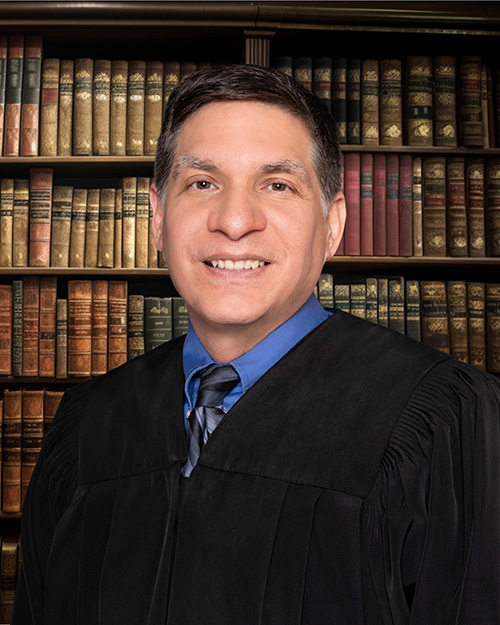
George A. Acero
Judge
Trial; Fee Waivers, Hrgs, Minor's Comp
UC Berkeley SOL; Berkeley CA

"Get Out of Jail Free" card. It's a card in the game Monopoly. For those of you too young to know the game, it meant that you could use the card once you landed in jail. But the card was not a "never go to jail" card. As will be explained below, this distinction is relevant to why the 9th U.S. Circuit Court of Appeals held Aug. 10th in People of the State of California, et al. v. Meta Platforms, et al. that the denial of a motion to dismiss based on Section 230 of the Communications Decency Act (CDA) isn't an appealable order.
The decision is extremely important. Various states in the underlying lawsuit sought to hold Meta and other social media platforms liable for, among other things, encouraging "addictive behavior, fail[ing]to verify user's ages ... and/or amplify harmful exploitive content." The U.S. District Court for the Northern District of California dismissed these claims, in part, on Section 230 grounds. However, other claims were permitted to proceed.
For those unfamiliar with the intricacies of Section 230, the case law is labyrinthine--and not as entertaining as Monopoly. In short, the federal law, according to the House Report cited in Meta, "shields from liability all publication decisions, whether to edit, remove, or to post, with respect to content generated entirely by third parties." However, service providers "continue to face liability for 'the creation of content.'" (Emphasis in original.) To the extent the plaintiffs complained of "publication decisions," Section 230 would be a defense to liability.
The 9th Circuit noted that denials of motions to dismiss are not generally appealable--even under Section 230--as a matter of procedure. Only those which grant a motion in total, thus disposing of the case, are appealable. The exception: "collateral" orders. These, among other things, are "effectively unreviewable on appeal from final judgment." The primary focus of the court was this factor.
Important was the difference "between immunity from suit and 'immunity' that is a mere defense to liability." Immunity from suit gives a party the right to be protected from liability--regardless of her or his conduct. This would be lost if a case was "erroneously permitted to go to trial," meaning that it could not be later reviewed--it would be too late. Immunity from liability is "fundamentally different"--the party's immunity is predicated on the facts of "why his conduct was not unlawful[.]" It is fact-dependent. This type of defense can be protected via post-judgment appeal. This is the difference between never going to jail for something and being able to show why you should not be in it for some fact or another. In the court's view, Section 230 immunity is immunity from liability--the latter--not immunity from suit.
In so doing, the court ruled that the denial was not a collateral order. The decision matters. The more appeals there are, the costlier a case for a plaintiff. However, the plaintiff is taking a gamble: It can expend resources on costly discovery, only to find out it has no case later on. So whether you think the case is pro defendant or plaintiff depends.
Submit your own column for publication to Diana Bosetti
For reprint rights or to order a copy of your photo:
Email
Jeremy_Ellis@dailyjournal.com
for prices.
Direct dial: 213-229-5424
Send a letter to the editor:
Email: letters@dailyjournal.com