


Oct. 22, 2026
New appellate justice's DoorDash ruling divides 2nd District panel
Justice Matthew A. Scherb, appointed to the 2nd District less than a year ago, wrote a divided DoorDash arbitration ruling and opinions on partnership liability and sentencing before facing voters Nov. 3.


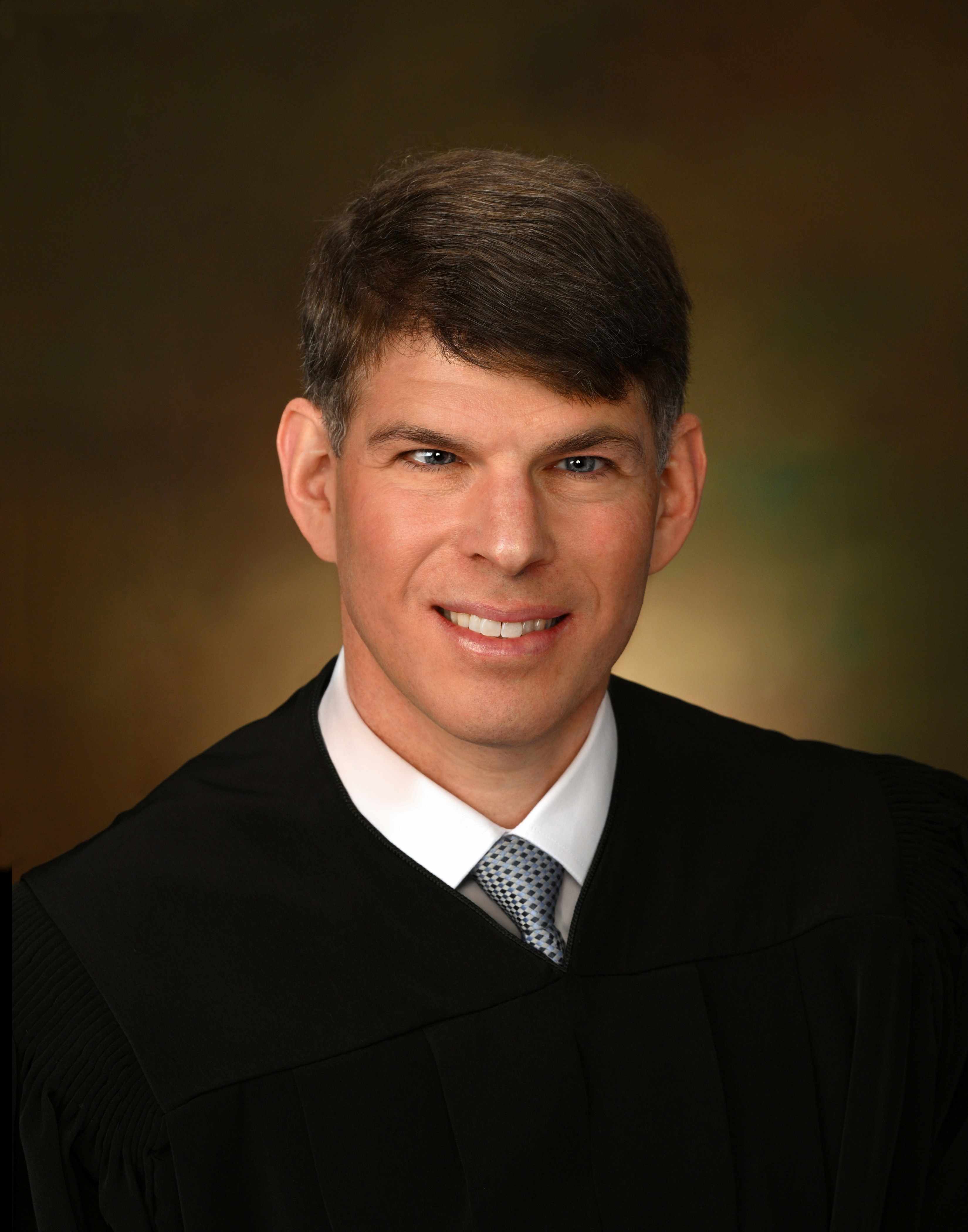
An employee who withheld a sexual harassment claim while fighting arbitration waived his right under federal law to take his case to court, Justice Matthew A. Scherb wrote this month for a divided 2nd District Court of Appeal panel.
Scherb joined Division 8 in November 2025, appointed by Gov. Gavin Newsom without prior judicial service. He seeks the remaining eight years of his predecessor's term on the Nov. 3 ballot.
In Chin v. DoorDash, Inc. (2026), Andrew Chin sued over alleged retaliation for taking parental leave. He opposed arbitration without invoking the federal Ending Forced Arbitration of Sexual Assault and Sexual Harassment Act, which lets plaintiffs alleging harassment choose court over arbitration. After arbitration was ordered, he added a claim of sex-based harassment under the state Fair Employment and Housing Act, alleging DoorDash used intimidation, ridicule and insults to discourage men from taking parental leave. He then returned to court, saying he did so "specifically to avoid arbitration." The trial judge sent all his claims back to court.
Joined by Justice Victor G. Viramontes, Scherb reversed, noting Chin had told the appellate court he withheld the claim "for strategic purposes." The federal law, Scherb wrote, gives no right "to forum hop at whim." Finding waiver, the majority did not decide whether the claim qualified under the federal law.
Acting Presiding Justice John Shepard Wiley Jr. dissented. Chin's "whole goal was to get out of arbitration and to litigate in court," he wrote. "That purpose is the opposite of waiver." Calling Chin's choice a blunder, like losing a queen in chess, Wiley wrote that "a blunder is not a purposeful relinquishment of a known right."
Scherb's opinion, which does not mention the dissent, said waiver turns on whether a choice was voluntary, "not the wisdom of the choice made."
In 8451 Melrose Property, LLC v. Akhtarzad (2026), Scherb upheld a trial court order adding relatives and a family company as judgment debtors to a judgment exceeding $10.5 million against Sina Akhtarzad, who stopped paying $55,000 monthly rent on a West Hollywood building. Bankruptcy discovery showed he signed the lease for a family partnership with his brothers and their wives that funded his defense.
The relatives said none of them hired the lawyers or made decisions in the case, but over years they impliedly ratified Akhtarzad as their representative, Scherb wrote. Akhtarzad fought through two trials and two appeals, and the proceedings were "the antithesis of a default." The partners "reaped the benefit of letting Sina treat the partnership debt as his own while sheltering in the background."
Scherb also held in People v. Moss (2026) that a judge resentencing a defendant under the 2021 law striking most prior-prison-term enhancements may reimpose an original upper term without jury findings on aggravating factors. The state Supreme Court has granted review in Moss and is holding it pending its decision in People v. Eaton, which presents the same question and is set for argument on Election Day.
Before joining the court, Scherb practiced copyright and trademark litigation at Winston & Strawn LLP in San Francisco. He was an appellate attorney to 1st District Justice Kathleen M. Banke from 2011 to 2017, then in the Los Angeles City Attorney's civil appeals section until 2021, volunteering at Public Counsel's Appellate Clinic for Self-Represented Litigants. He was a chambers attorney to state Supreme Court Justice Martin J. Jenkins from 2021 until his appointment.
Banke told the appointments commission they sometimes started down one road until Scherb suggested a rethink. "Usually I agreed, and we'd switch gears," she said.
A Yale computer science graduate, Scherb earned his law degree from Northwestern University School of Law.
At his confirmation hearing, Scherb said: "It's not our role at the court to act on our policy preferences. Our role is to act on the law as written by the Legislature and as interpreted by the California Supreme Court, the United States Supreme Court."
Laurinda Keys
laurinda_keys@dailyjournal.com
For reprint rights or to order a copy of your photo:
Email
Jeremy_Ellis@dailyjournal.com
for prices.
Direct dial: 213-229-5424
Send a letter to the editor:
Email: letters@dailyjournal.com