


Oct. 26, 2026
Kelety's criminal rulings demand proof beyond defendants' violent pasts
Justice Julia C. Kelety, a former probate judge seeking retention Nov. 3, has questioned evidence and jury instructions in murder, attempted murder and sexual abuse cases.


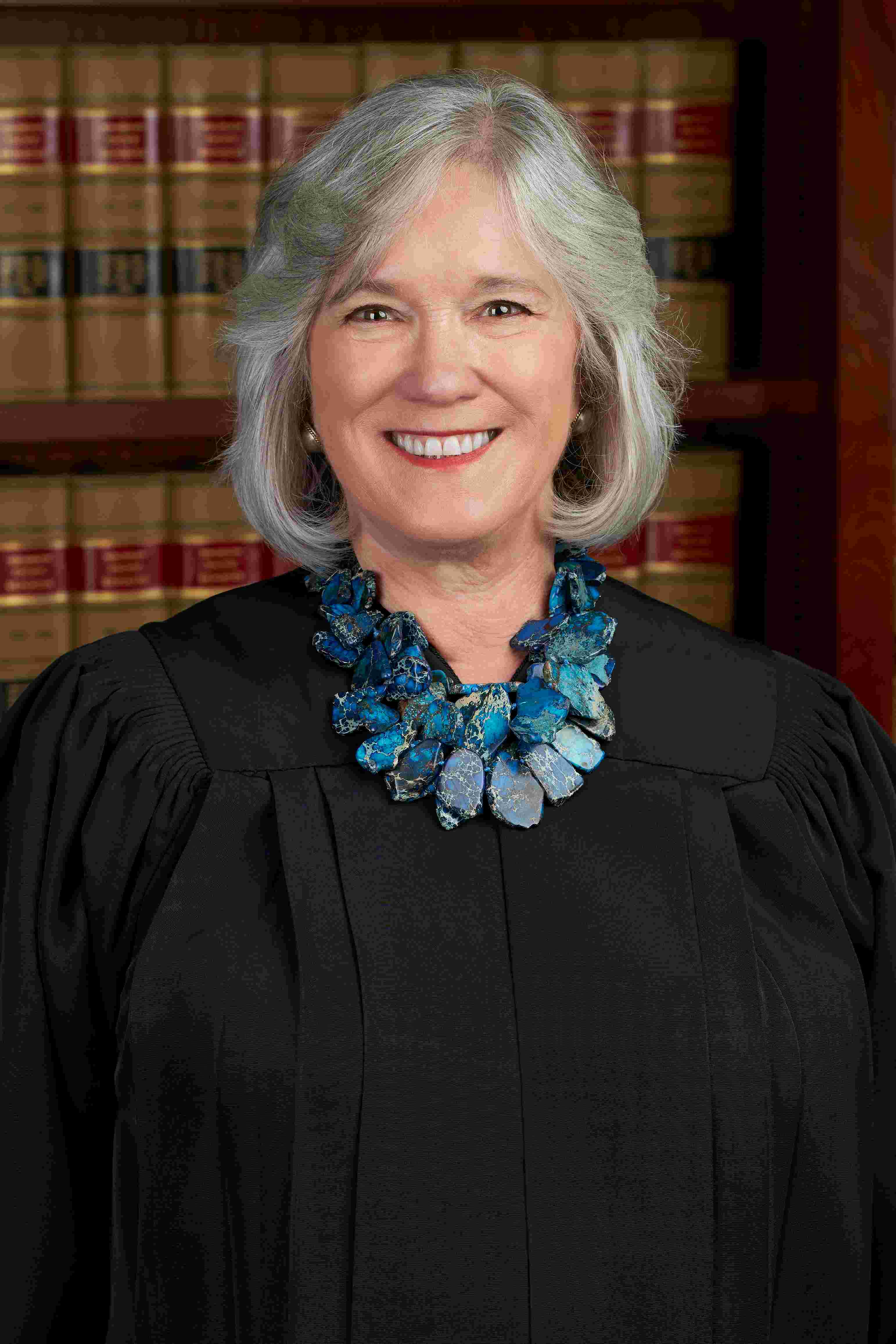
Justice Julia C. Kelety has questioned whether new DNA evidence justified a murder prosecution 27 years after the killing, whether an attacker could intend to kill someone he did not know was present and whether a woman who fractured her elderly landlord's skull with a hammer remained dangerous two decades later.
Kelety, who joined the 4th District Court of Appeal's Division 1 in 2023, seeks a full 12-year term in the Nov. 3 retention election.
Kelety dissented in People v. McInnis (2025), when two colleagues revived a murder charge. She wrote that new DNA evidence on a napkin wrapped around a knife at the scene "simply adds underwhelming circumstantial evidence to an already existing pile."
The victim, Karl Senser, was carjacked in 1994, stabbed five times in the chest and left in an alley. Another man was convicted of his murder in 1996, but prosecutors said they lacked evidence to charge his friend, Leon McInnis, until testing in 2018 found McInnis' DNA on the napkin and in the car.
A trial judge dismissed the case, finding the delay had prejudiced McInnis' defense, including the loss of eyewitness evidence.
Kelety would have affirmed the dismissal. If a judge cannot assess the truth of the prosecution's assertions, she asked, "then what is the purpose of holding an evidentiary hearing?"
In People v. Ibarra (2024), several masked men drove onto an illegal marijuana-growing property to rob it and opened fire on a wooden shed where the owner had fled. A bullet severed the owner's arm, and a worker napping on the floor was shot in the back.
Ibarra was convicted of attempting to murder both men. Kelety reversed the conviction involving the worker because the jury had been instructed on a "kill zone" theory without evidence that the attackers knew he was inside. His conviction for attempting to murder the owner stood.
"It is not possible to intend to kill someone in the vicinity of a target if the attacker has no knowledge that the person is present," she wrote.
Rhonda Jenkins attacked her 82-year-old landlord with a hammer in 1999, fracturing his skull in three places, then kept him on her apartment floor for six hours without emergency medical care. Convicted of attempted murder, false imprisonment and willful cruelty, she was later transferred from prison to a state hospital, where her commitment was repeatedly extended.
Kelety reversed her recommitment in People v. Jenkins (2023), finding no evidence Jenkins had been violent since 1999. She was nearly 70 and used a wheelchair. The statute, Kelety wrote, "requires more than a conclusory speculation that a person who committed a violent offense in the past might pose a substantial danger of violence two decades later."
Tyler Page's convictions for orally copulating his 5-year-old daughter, and his 30-years-to-life sentence, should stand, Kelety agreed in People v. Page (2025), noting that a 2022 rewording of the jury instruction on child sexual abuse accommodation syndrome "discarded important nuance, increasing the potential for jurors to misunderstand the instruction."
Kelety held in People v. Christianson (2023) that defendants whose prison-prior enhancements had been stayed were entitled to full resentencing under SB 483, which invalidated most such enhancements. Ryan Christianson had pleaded guilty to burglary, receiving stolen property, resisting an officer and possession of methamphetamine for sale and admitted a prior strike and a serious felony prior. A Superior Court judge struck his five stayed enhancements administratively rather than resentencing him.
At oral argument, Kelety asked the state's lawyer whether, buying a house, they would choose one with a ticking bomb in the wall, recalled Rebecca Jones, Christianson's appellate lawyer. In a 2024 CalAppNews article, Jones called it "one of the best questions I have ever heard at argument" and wrote, "I knew then that I at least had Justice Kelety on my side."
Gov. Gray Davis appointed Kelety to the San Diego County Superior Court in 2003, after seven years as a federal prosecutor and six in probate practice. Much of her two decades there was spent on probate, trusts and conservatorships.
Laurinda Keys
laurinda_keys@dailyjournal.com
For reprint rights or to order a copy of your photo:
Email
Jeremy_Ellis@dailyjournal.com
for prices.
Direct dial: 213-229-5424
Send a letter to the editor:
Email: letters@dailyjournal.com