


Slideshow,
Community News
Oct. 30, 2026
Retired justices reflect on the balance between personal beliefs and judicial duty
Former California Supreme Court Justice Martin J. Jenkins and retired appellate Justice Arthur Gilbert discussed judicial independence, legal interpretation and the importance of consensus at the California Supreme Court Historical Society's annual dinner.


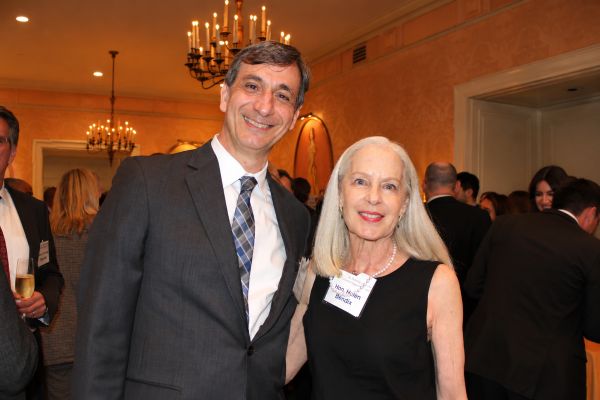
2nd District Court of Appeals Justices Armen Tamzarian and Helen I. Bendix
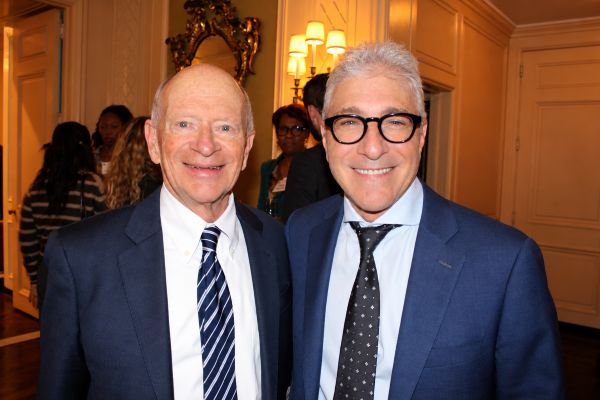
(Ret.) Superior Court Judge Terry B. Friedman of JAMS and Paul R. Kiesel of Kiesel Law LLP
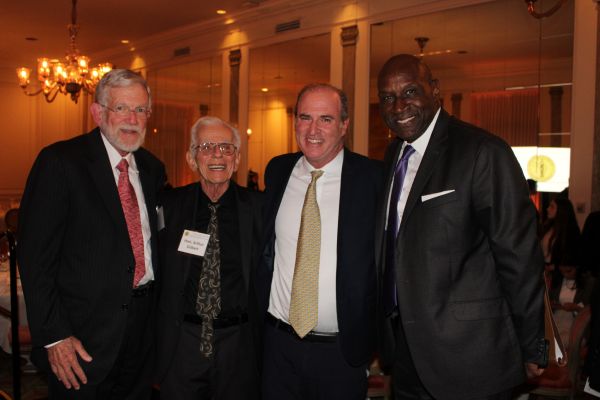
(Ret.) Contra Costa Superior Court Judge Barry P. Goode, (Ret.) 2nd District Court of Appeal Presiding Justice Arthur Gilbert, California Supreme Court's Associate Justice Joshua P. Groban and (Ret.) Supreme Court Justice Martin J. Jenkins
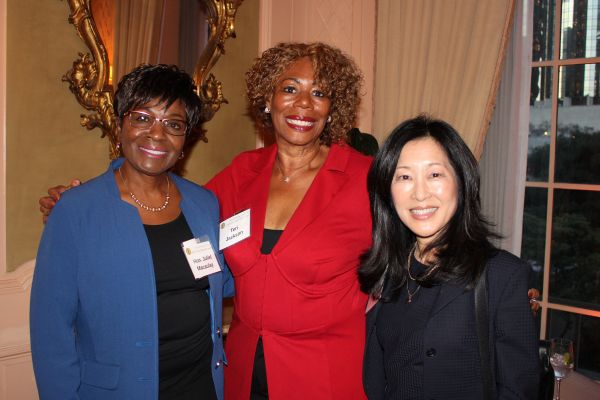
4th District Court of Appeal Justice Juliet O. Macaulay, 1st District Court of Appeal Presiding Justice Teri L. Jackson and 2nd District Court of Appeal Justice Audra M. Mori
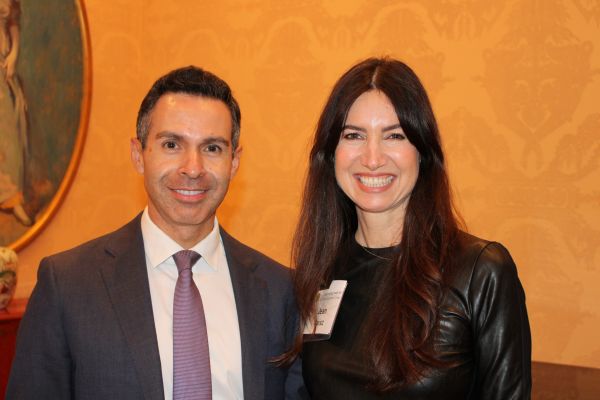
Superior Court Judge E. Carlos Dominguez and USC Gould School of Law professor Jean L. Reisz, also co-director of the school's Immigration Clinic
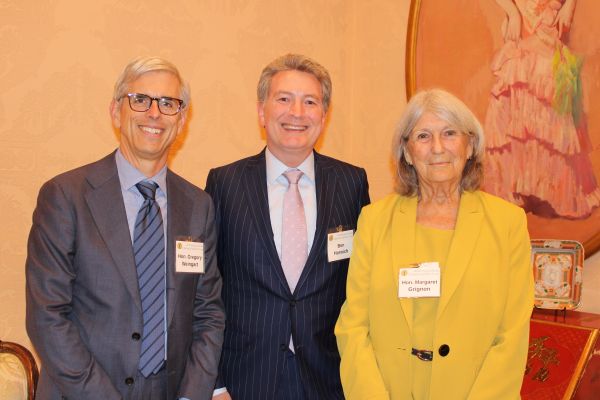
2nd District Court of Appeal Justice Gregory J. Weingart, Benjamin J. Horwich of Munger Tolles & Olson LLP and Retired 2nd District Court of Appeal Justice Margaret M. Grignon of Grignon Law Firm LLP
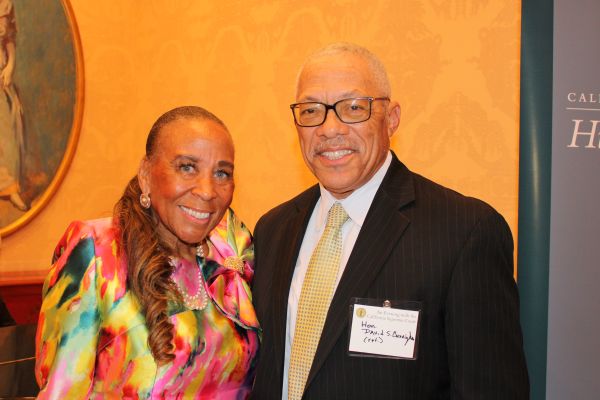
Cynthia Mitchell-Heard, President and CEO of the Los Angeles Urban League, and Retired Superior Court Judge David S. Cunningham III
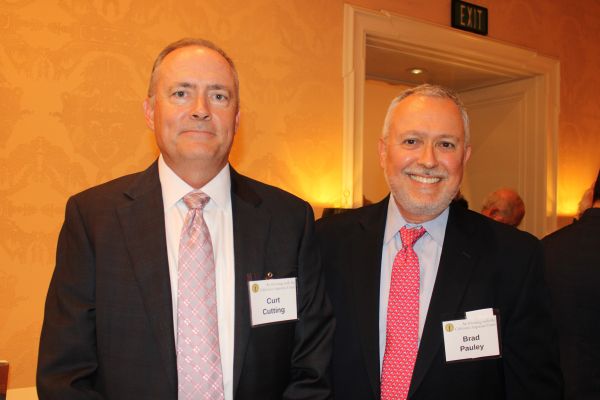
Horvitz & Levy LLP's Curt C. Cutting and Bradley S. Pauley
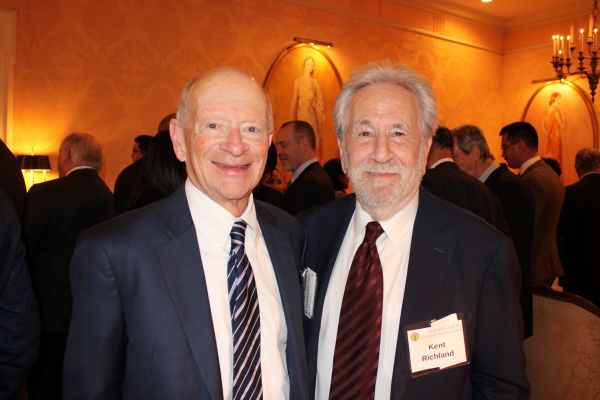
(Ret.) Superior Court Judge Terry B. Friedman of JAMS and Kent L. Richland of Greines Martin Stein & Richland LLP
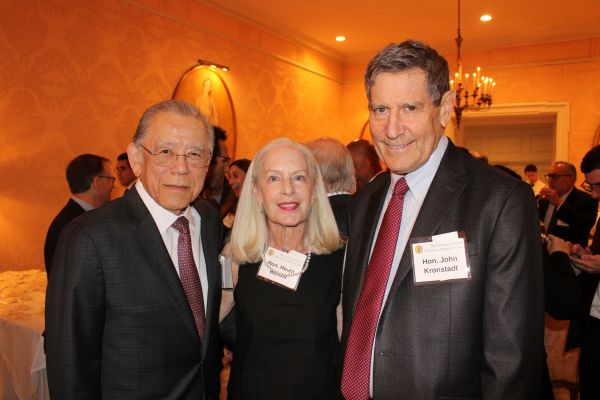
2nd District Court of Appeal Justices Elwood G. Lui and Helen I. Bendix, and U.S. District Judge John A. Kronstadt
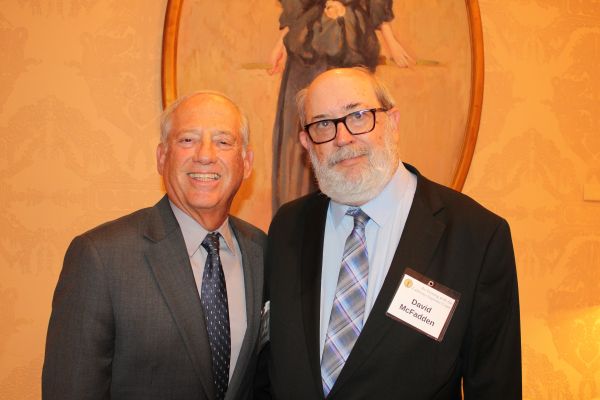
Daniel Grunfeld of Judicate West and David R. McFadden of Cathedral City
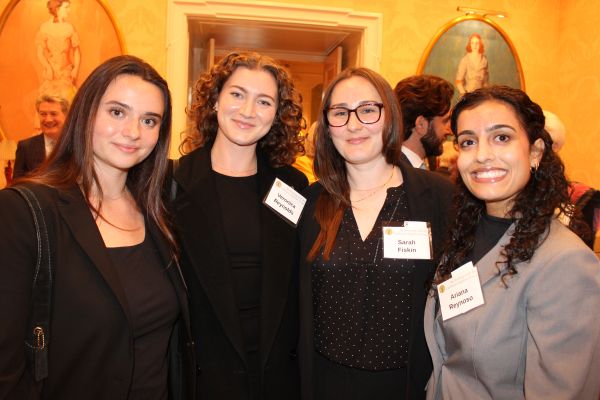
USC Gould School of Law students Jordan Jeremiah, Veronica Reynolds, Sarah Fiskin and Ariana Reynoso
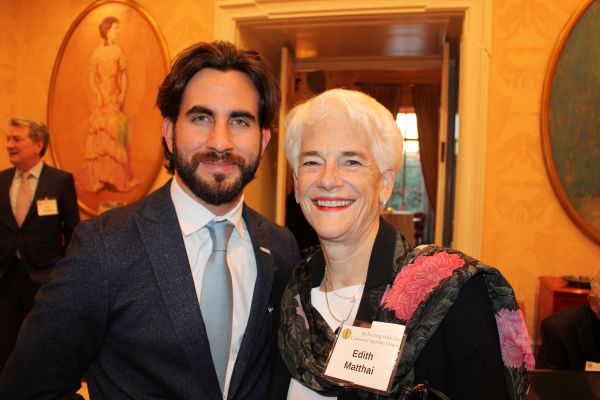
JAMS' Associate Business Manager Anthony Messina and Mediator and Arbitrator Edith R. Matthai
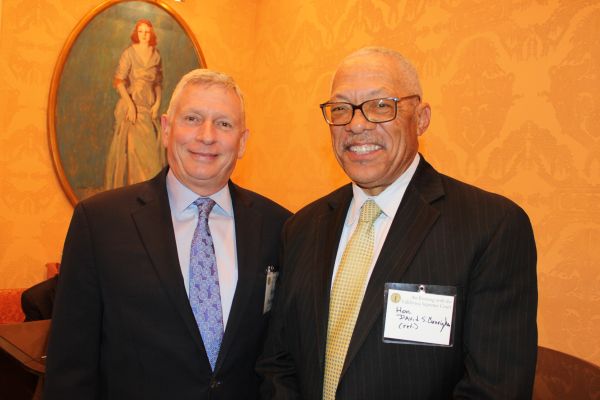
Senior Vice President at JAMS Brian Parmelee and Retired Superior Court Judge David S. Cunningham III
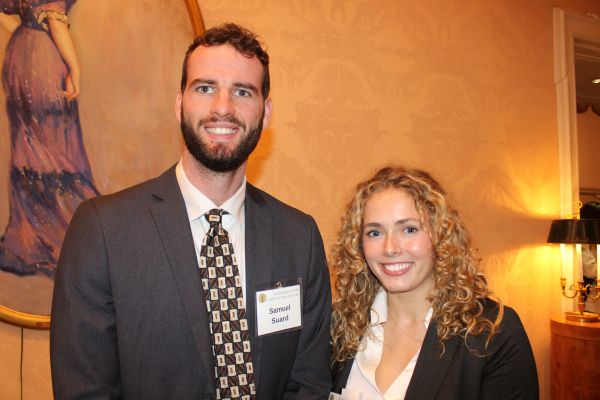
Pepperdine Caruso School of Law students Samuel Suard and Sophie Geoffrion
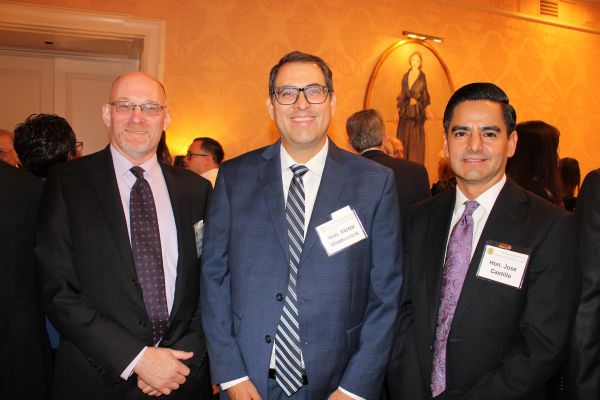
2nd District Court of Appeal Justices Stephen I. Goorvitch, Victor G. Viramontes and 4th District Court of Appeal Justice Jose S. Castillo
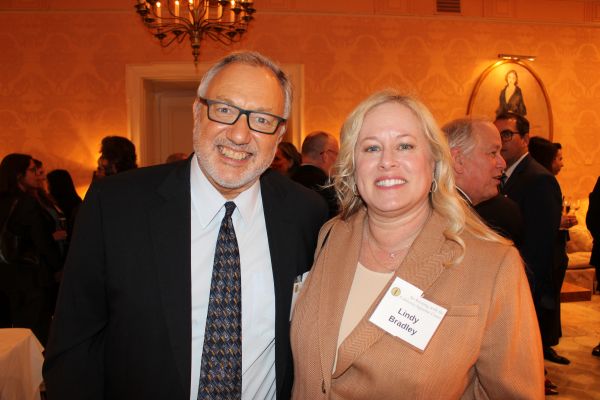
Mitchell Keiter of Keiter Appellate Law and Lindy F. Bradley of Lagasse Branch Bell + Kinkead LLP
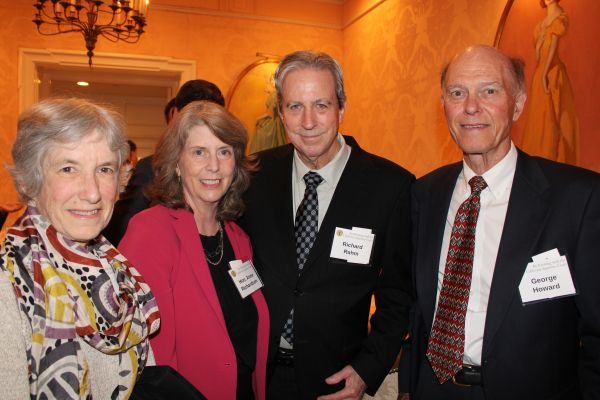
Historian Molly Selvin, 2nd District Court of Appeal Justice Anne K. Richardson, Richard H. Rahm of Ogletree Deakins and George S. Howard Jr. of Paul Plevin Sullivan & Connaughton LLP
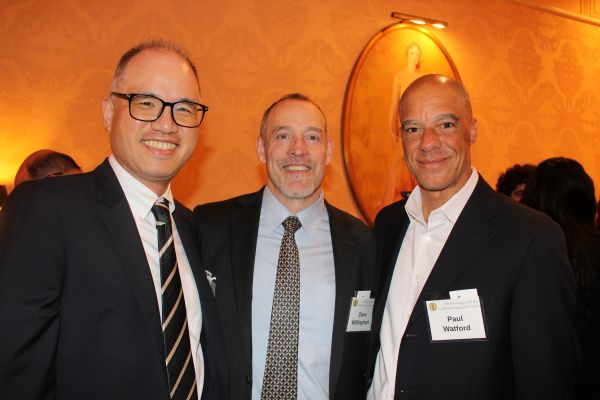
Jeffrey Y. Wu of Munger Tolles & Olson LLP; King & Spalding LLP's David K. Willingham and Paul J. Watford
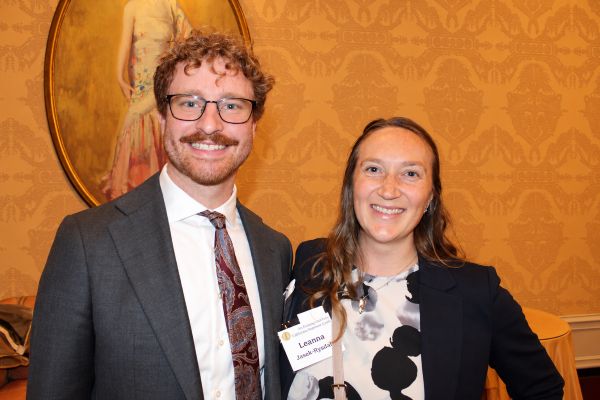
Southwestern Law School students Yonatan Hirshberg and Leanna Jasek-Rysdahl
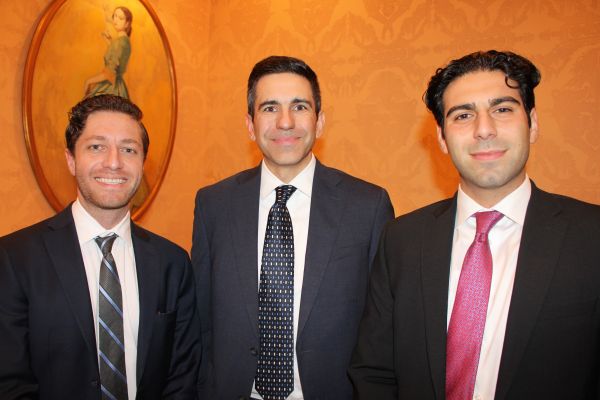
Southwestern Law School students Nareg Babaians, Michael Kricfalusi and Kian Mirshokri
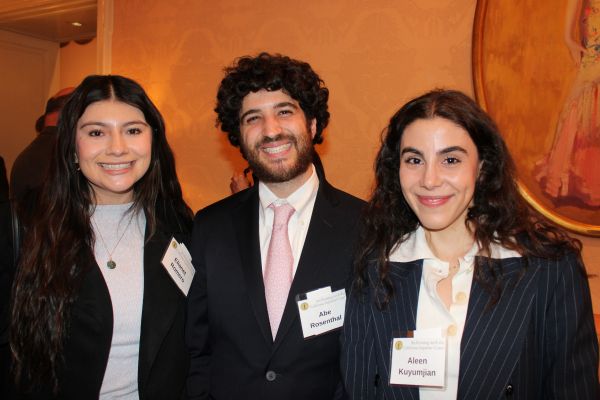
USC Gould School of Law students Elianet Romero, Abe Rosenthal and Aleen Kuyumjian
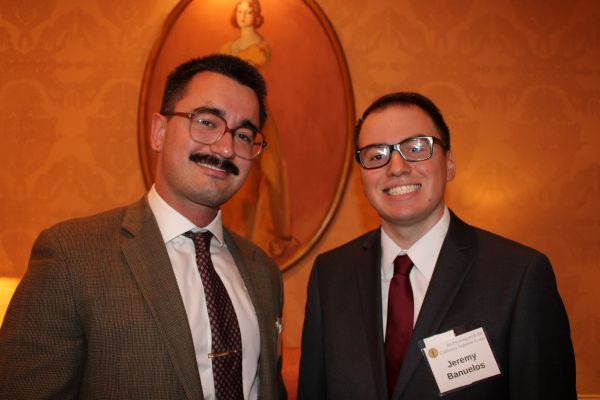
USC Gould School of Law students Michael Bodomov and Jeremy Bunuelos
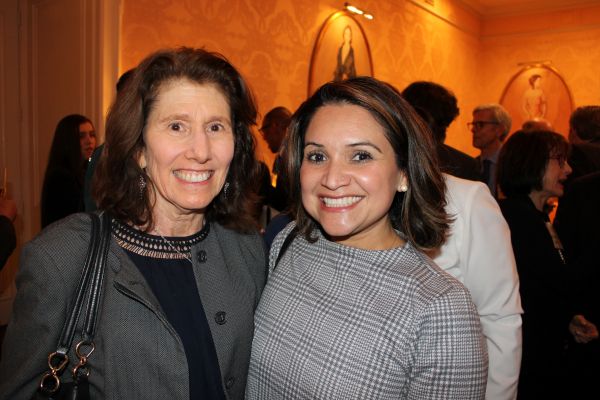
2nd District Court of Appeal Justices Gail R. Feuer and Cindy Pánuco
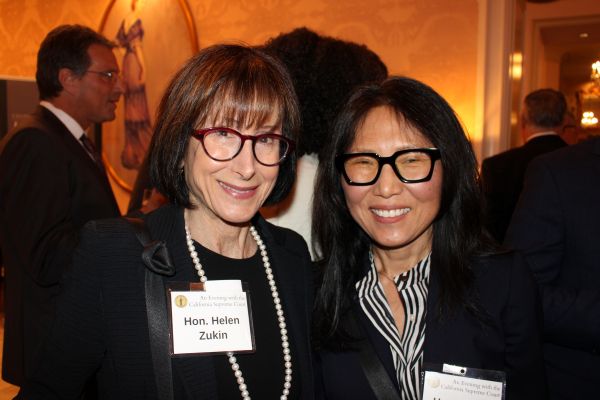
2nd District Court of Appeal Presiding Justice Helen Zukin and 4th District Court of Appeal Justice Corey G. Lee
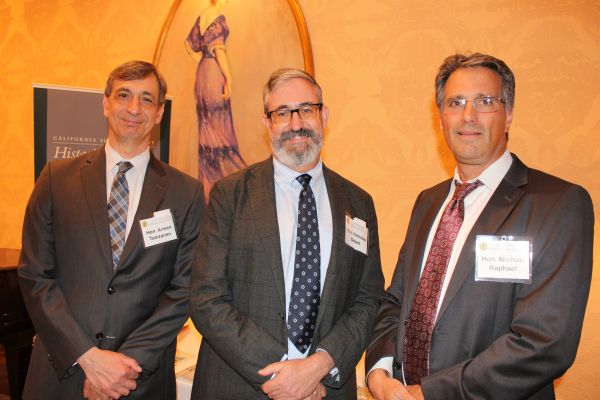
2nd District Court of Appeals Justices Armen Tamzarian and Nicholas F. Daum, and 4th District Court of Appeal Justice Michael J. Raphael
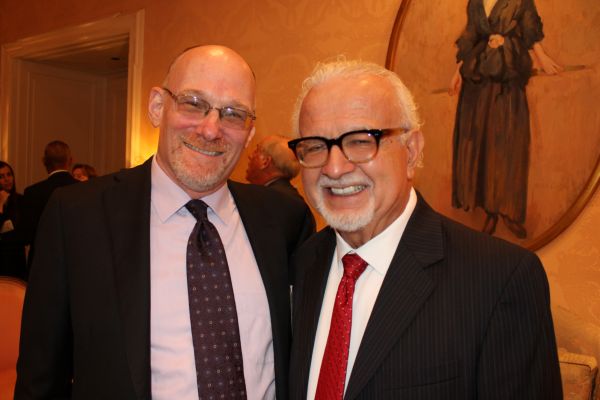
2nd District Court of Appeal Justices Stephen I. Goorvitch and (Ret.) California Supreme Court Justice Carlos R. Moreno of JAMS
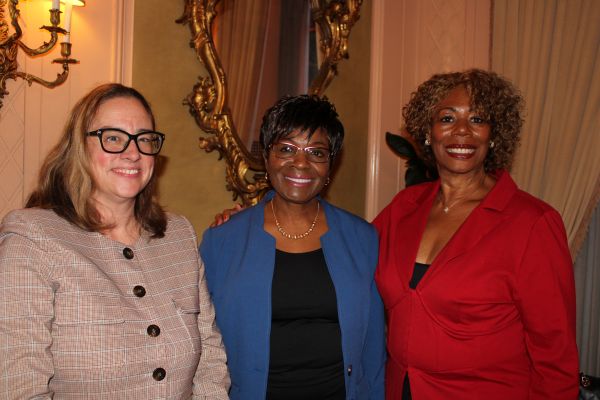
Anne M. Murphy of Cotchett Pitre & McCarthy LLP, 4th District Court of Appeal Justice Juliet O. Macaulay and 1st District Court of Appeal Presiding Justice Teri L. Jackson
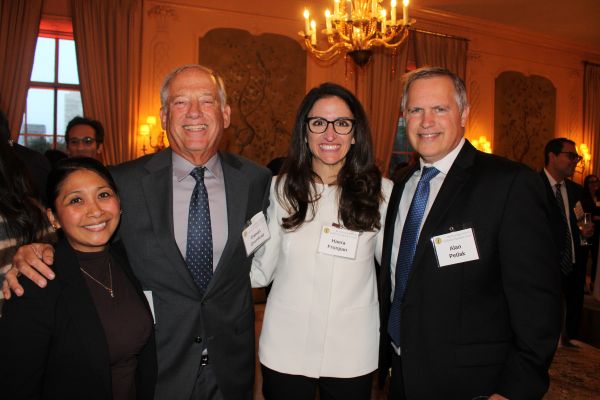
Judicate West's Director of Employment Practice Group Joselyn A. Vasko and Mediator Daniel Grunfeld, Haera Fronjian of Klinedinst Attorneys and Alan S. Petlak of Petlak Mediation
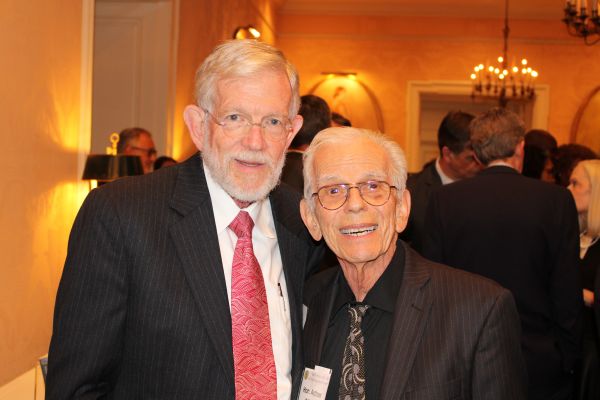
(Ret.) Contra Costa Superior Court Judge Barry P. Goode and (Ret.) 2nd District Court of Appeal Presiding Justice Arthur Gilbert
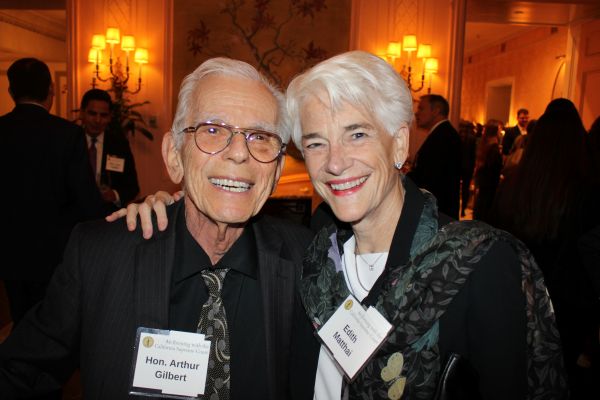
(Ret.) 2nd District Court of Appeal Presiding Justice Arthur Gilbert and Edith R. Matthai of JAMS
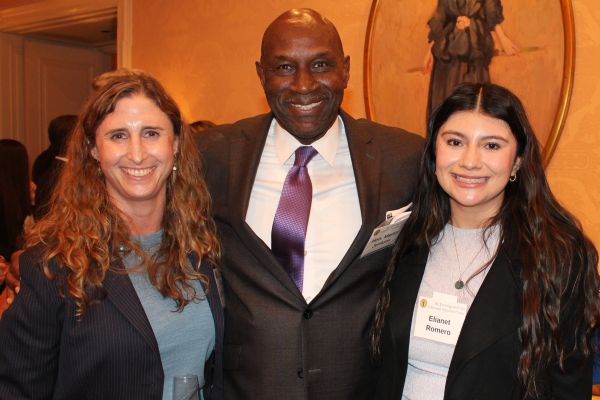
(Ret.) Superior Court Judge Kira L. Klatchko of JAMS, (Ret.) Supreme Court Justice Martin J. Jenkins and USC Gould School of Law student Elianet Romero
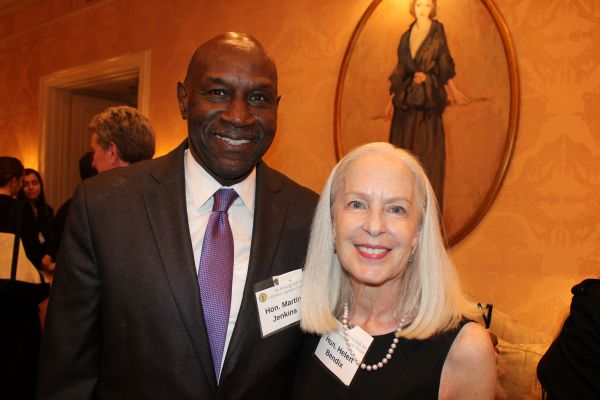
(Ret.) Supreme Court Justice Martin J. Jenkins and 2nd District Court of Appeal Justice Helen I. Bendix
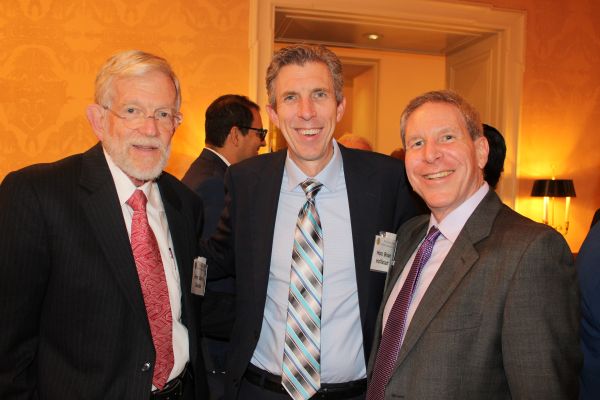
(Ret.) Contra Costa Superior Court Judge Barry P. Goode, 2nd District Court of Appeal Presiding Justice Brian M. Hoffstadt and Benjamin G. Shatz of Duane Morris LLP
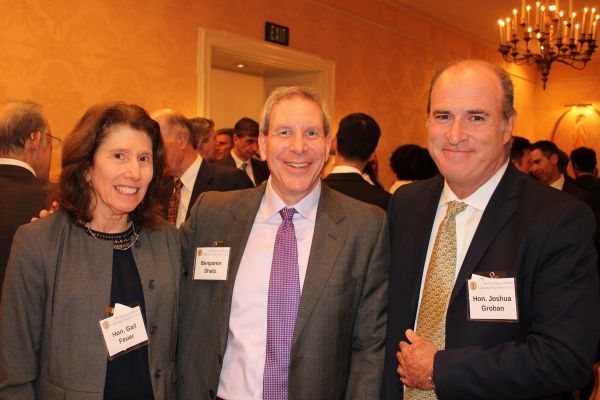
2nd District Court of Appeal Justice Gail R. Feuer, Benjamin G. Schatz of Duane Morris LLP and California Supreme Court's Associate Justice Joshua P. Groban
LOS ANGELES -- In 36 years on the bench, retired California Supreme Court Justice Martin J. Jenkins said he never encountered a case in which the law was so clear that a judge could apply it without exercising judgment.
"There was always some ambiguity," Jenkins said, explaining that interpreting the law requires considering legislative intent, fairness and the consequences of a ruling.
Retired 2nd District Court of Appeal Presiding Justice Arthur Gilbert offered a more pointed example of the distinction between personal beliefs and judicial obligations. Although he strongly opposed California's three-strikes law, he upheld most applications of it that came before him.
"I hated the three strikes law. I voted against it," Gilbert said.
The two jurists reflected on judicial philosophy, appellate consensus and their paths to the bench Wednesday at the California Supreme Court Historical Society's annual dinner at the California Club in Los Angeles.
California Supreme Court Justice Joshua P. Groban moderated the discussion.
Asked whether judges should consider fairness and societal consequences when interpreting the law, Jenkins replied, "I think they're fair game."
He recalled growing up in San Francisco during the civil rights movement and Vietnam War, witnessing antiwar demonstrations and changing attitudes toward Black identity. His parents, who came from the Jim Crow South, emphasized education and integration.
"That impacts the way I see legal issues," Jenkins said.
Gilbert acknowledged that his early fears about the three-strikes law had not entirely materialized. Although he anticipated excessive punishment, he found prosecutors in Santa Barbara and San Luis Obispo counties exercised more restraint than he expected.
"They were terrific," he said.
Gilbert also recalled serving by assignment on the California Supreme Court in a Proposition 5 gambling case in which two justices disagreed. He drafted an opinion that accommodated both positions and secured a unanimous decision, although the compromise produced a longer opinion than he would have preferred.
The experience, he said, illustrated the concessions sometimes necessary to achieve consensus on an appellate court.
The importance of consensus also figured prominently in a tribute to Jake Dear, the late California Supreme Court chief supervising attorney who served three chief justices over four decades.
Daniel Grunfeld of Judicate West introduced excerpts from an interview recorded eight days before Dear's death in June.
Calling his role an "intellectually luxurious position," Dear emphasized the responsibility to provide objective legal advice, even when loyalty to the law meant disagreeing with a justice.
"A unanimous opinion is much more difficult to come by than a fractured decision," Dear said in the recording, describing the deliberations and compromises behind appellate rulings.
Jenkins and Gilbert also reflected on their unconventional paths to the judiciary.
Jenkins initially considered teaching and briefly pursued a professional football career with the Seattle Seahawks before attending law school.
Gilbert dreamed of becoming a jazz pianist after hearing Art Tatum perform as a child. He eventually turned to law, and a friendship with Gov. Jerry Brown helped lead to his appointment to the bench.
Asked to identify his proudest accomplishment, Gilbert declined to single out any achievement.
"I'm not proud of anything. I'm thankful, and I'm appreciative that I found a profession that I love," he said.
Retired Contra Costa County Superior Court Judge Barry P. Goode, the society's president, opened the dinner by highlighting its work preserving California's judicial history through oral histories, publications and educational programs.
Ricardo Pineda
ricardo_pineda@dailyjournal.com
For reprint rights or to order a copy of your photo:
Email
Jeremy_Ellis@dailyjournal.com
for prices.
Direct dial: 213-229-5424
Send a letter to the editor:
Email: letters@dailyjournal.com