


Intellectual Property,
Art Law
Dec. 5, 2025
The hidden hand of law in the life of art
The law shapes every stage of a work of art's life -- from its creation and sale to exhibition, reproduction, donation, and even restitution -- revealing the many ways legal rules underpin and influence the art world.



Hall of Justice
Simon J. Frankel
Judge
Criminal Trials/ Veterans Justice Court
Yale Law School
Simon serves as chair of the firm's Intellectual Property Rights practice.
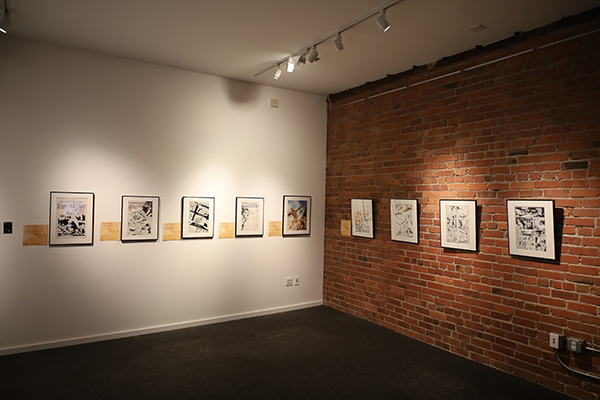
Imagine a lovely painting created in the 1980s, now hanging in an
art museum. What role did the law play in the creation of the work and in how the
work arrived at the museum?
Art is about creativity and expression, about crossing
boundaries and provoking reflection. The law is about rules, predictability,
order and responsibility. Art and law seem like separate worlds, but they
intersect in so many ways, just considering a single work of art.
Some 40 years ago, an artist created our imagined painting. Local
zoning regulations allowed the artist to paint in a live/work studio. Some of
the pigments used in the painting were hazardous, subject to state or federal
restrictions to protect the artist's health. If she was lucky enough, the
artist was represented by a dealer. Maybe they had a written contract; if not, law
provides rules governing their relationship. For example, an artist's delivery
of a work to a dealer for purposes of sale is considered a consignment. That
means title (ownership) in the painting remains with the artist, although the
dealer can transfer title to the work directly to a buyer upon sale. The dealer
owes fiduciary duties to the artist from the moment the work is delivered to
the dealer until either it is returned to the artist (unsold),
or is sold and the artist's share of the sale proceeds (minus the
dealer's agreed commission) are delivered.
Let's imagine further: the work has been sold to a noted collector.
The artist's reputation rises, and so do the prices for her works. Some years
later, the collector, needing cash, looks to sell the work for an appreciated
amount. But the collector would like to have a photographer make an exact
reproduction of the painting to continue to display on his wall after he sells
the original. Can the collector do so under copyright law?
The collector consigns the work to an auction house to sell.
Once again, under the rules of consignment, the collector retains title until
the work is sold at the fall of the auction hammer, when title passes directly
to the buyer.
But what would happen if, before the auction, the auctioneer has
some uncertainty about whether the painting is, in fact, by the artist? The
auction house may decline to proceed with its sale at auction. Perhaps the
collector blames the auction house for raising the issue of authenticity, which
would depress the painting's market value. Is there any redress?
Let's assume the authenticity issue is resolved, and the
painting sells at auction to another collector. The first collector makes a
hefty profit on his original investment in the painting. Can the collector
deduct the costs of framing and insuring the painting for
many years from any profit on which tax would be owed? Is the collector's profit
on the auction sale taxed as capital gain or ordinary income?
Now the second collector owns the painting for a number of years. The reputation of the artist continues to
rise -- and with it, the prices for her paintings. Some years later, this
collector decides to donate the work to a museum, both to benefit the museum
and to realize a significant charitable tax deduction. How will this collector
structure the donation to maximize the tax benefits? And consider if this
collector is also a trustee of the museum, and if he owns several paintings by
this same artist. The museum's acceptance and exhibition of the painting may
well increase the value of the artist's other works, including the other
paintings the collector still owns. Should that matter as a legal (or ethical)
matter if this collector is a museum trustee?
The museum accepts the painting and holds title to it. Would
copyright law permit the museum to reproduce the painting on posters promoting
an exhibition that includes the work or sell postcards of the painting in the
museum gift shop? If the painting were controversial (maybe it conveys a
political message, or includes sexual imagery), the museum might remove it from
exhibition following public protest. Would the museum have violated the
artist's freedom of expression? What if, some years down the line, the museum,
concluding the painting no longer fits in its collection, decides to sell the
work; is there any legal reason the museum cannot do so? If the collector who
donated the work is alive and unhappy the museum is selling it, does he have
any recourse?
If the painting were older, maybe a century older, perhaps an Impressionist
work, perhaps it changed hands in Europe during the Nazi regime. Could the
family that had owned the work recover it long after World War II, after it had
been resold multiple times? What if the work of art were an antiquity, from
Cambodia, Greece, or Benin, for example? What if it was exported illegally from
the source country or not properly declared to Customs on entry into the U.S.?
Should the work be returned to the country of origin?
These are just a few of the ways in which the law touches on
most every work of art we see in museums. While law and art might seem
antithetical, law serves to establish the conditions of social peace and
stability that liberate artists to make and sell their art. Law provides
artists with enforceable rights in their works and in their relationships with
dealers, collectors and the art market. It protects works of art against theft
and destruction, and against adulteration and misrepresentation through fakes
and forgeries. Law provides rules for the assembly and display of art
collections and exhibitions, and the formation and operation of museums. It
supports and regulates the market for art, providing an orderly process for its
distribution (and redistribution).
When viewing a beautiful painting, a provocative sculpture, or a
mysterious work from antiquity, it is natural to see only the work and think little
of the law. We can also recognize the diverse ways in which the law set the
stage for works' creation, distribution and display.
Going forward, I expect "The Art of Law" columns to explore
specific instances where law and art intersect, not always comfortably -- but
always in interesting and thought-provoking ways.
Submit your own column for publication to Diana Bosetti
For reprint rights or to order a copy of your photo:
Email
Jeremy_Ellis@dailyjournal.com
for prices.
Direct dial: 213-229-5424
Send a letter to the editor:
Email: letters@dailyjournal.com